Benefits of Chia Seeds and Flax Seeds in Gluten-Free Baking (2026)

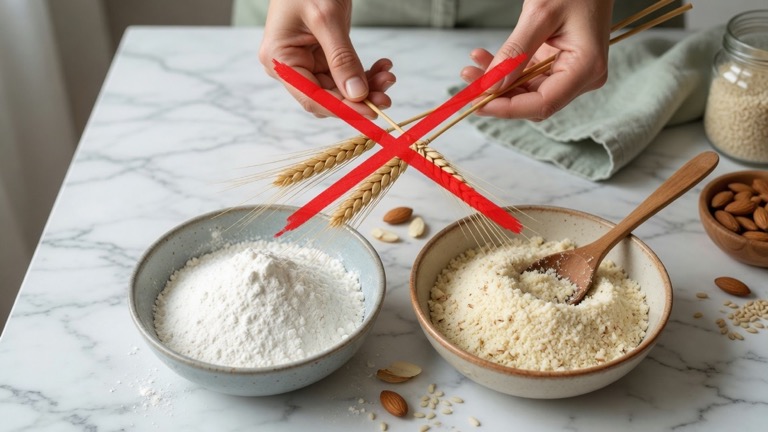
Baking gluten-free? You know it can sometimes feel like a high-wire act. We’re chasing that perfect chew, that delightful crumb, that “oh-my-goodness-is-this-really-GF?” moment. And often, we’re trying to achieve it without the stretchy, sticky magic that gluten brings to the party. But here’s a little secret, my friend: the gluten-free kitchen isn’t about limitations. It’s about discovering incredible, often overlooked, ingredients that open up a whole new world of delicious possibilities. It’s about finding those unsung heroes that make our baked goods shine.
Today, we’re pulling back the curtain on two tiny, but mighty, superstars: chia seeds and flax seeds. These aren’t just for topping your smoothie anymore. They are game-changers in GF baking, offering structure, moisture, and a nutritional punch. Consider them essential tools in your Gluten-Free Baking Essentials toolkit. Get ready to bake with confidence and joy!
The GF Baking Challenge: A Sticky Situation
Think of gluten as the natural glue in traditional baked goods. It provides elasticity, structure, and helps everything hold together. When we remove gluten, our doughs and batters can feel crumbly, dry, or dense. They might not rise properly, or they might fall apart when you try to slice them. It’s a common struggle. Many GF flours lack that natural binding power. So, we need to bring in some reinforcements. We need ingredients that can step in and mimic some of gluten’s amazing properties, especially its ability to bind ingredients and trap moisture. That’s where our super seeds come in.
Meet Our Mini-Marvels: Chia and Flax!
These aren’t new kids on the block, but their power in gluten-free baking is often underestimated. They’re small, unassuming, but they pack a serious punch when it comes to transforming your GF goodies. They are fantastic at absorbing liquid, forming a gel, and acting like a binder. Plus, they bring a boatload of health benefits to the table. We’re talking fiber, healthy fats, and even some plant-based protein. Who said delicious can’t also be nutritious?
Chia Seeds: The Hydration Heroes
These tiny black or white seeds, originally from Mexico and Guatemala, are like little sponges. Drop them in liquid, and watch them swell, absorbing up to 10-12 times their weight! This creates a gelatinous coating around each seed, thanks to something called mucilage (a fancy word for soluble fiber that becomes gooey when wet). This gel is precisely what makes them so valuable in GF baking.
How Chia Seeds Work Their Magic:
- Binding Agent: When hydrated, chia seeds form a sticky gel. This gel acts as a fantastic binder, mimicking the role of eggs in many recipes. It helps hold your muffins, breads, and cookies together, preventing that frustrating crumbly texture. No more falling apart!
- Moisture Retention: Remember how they swell with liquid? That moisture gets locked into your baked goods. This means your GF cakes stay moist longer, your cookies don’t dry out, and your breads have a lovely, tender crumb. Dry, crumbly GF bakes? Not on our watch!
- Nutritional Boost: Chia seeds are a powerhouse. They’re loaded with fiber, omega-3 fatty acids (great for heart health!), protein, and a host of minerals like calcium and magnesium. Adding them means you’re not just improving texture; you’re also adding some serious nutrition.
Using Chia Seeds in Your GF Baking:
You can use chia seeds whole or ground. For binding, the ground version often works best because it creates a more uniform gel.
To make a “chia egg” (a common egg replacer):
Combine 1 tablespoon of ground chia seeds with 3 tablespoons of water. Stir well and let it sit for 5-10 minutes until it thickens into a gel-like consistency. This replaces one large egg. Easy peasy!
Best for:
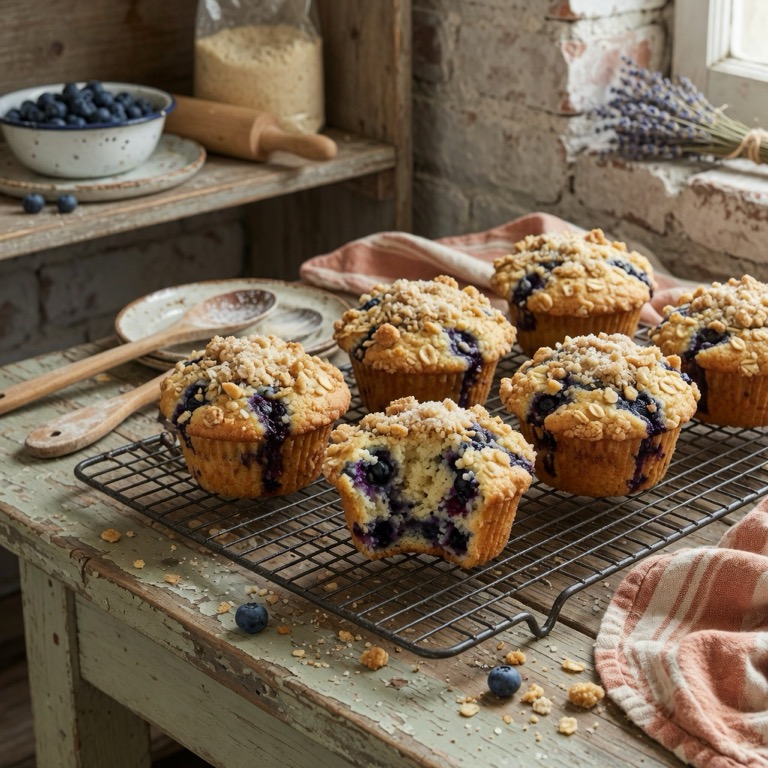
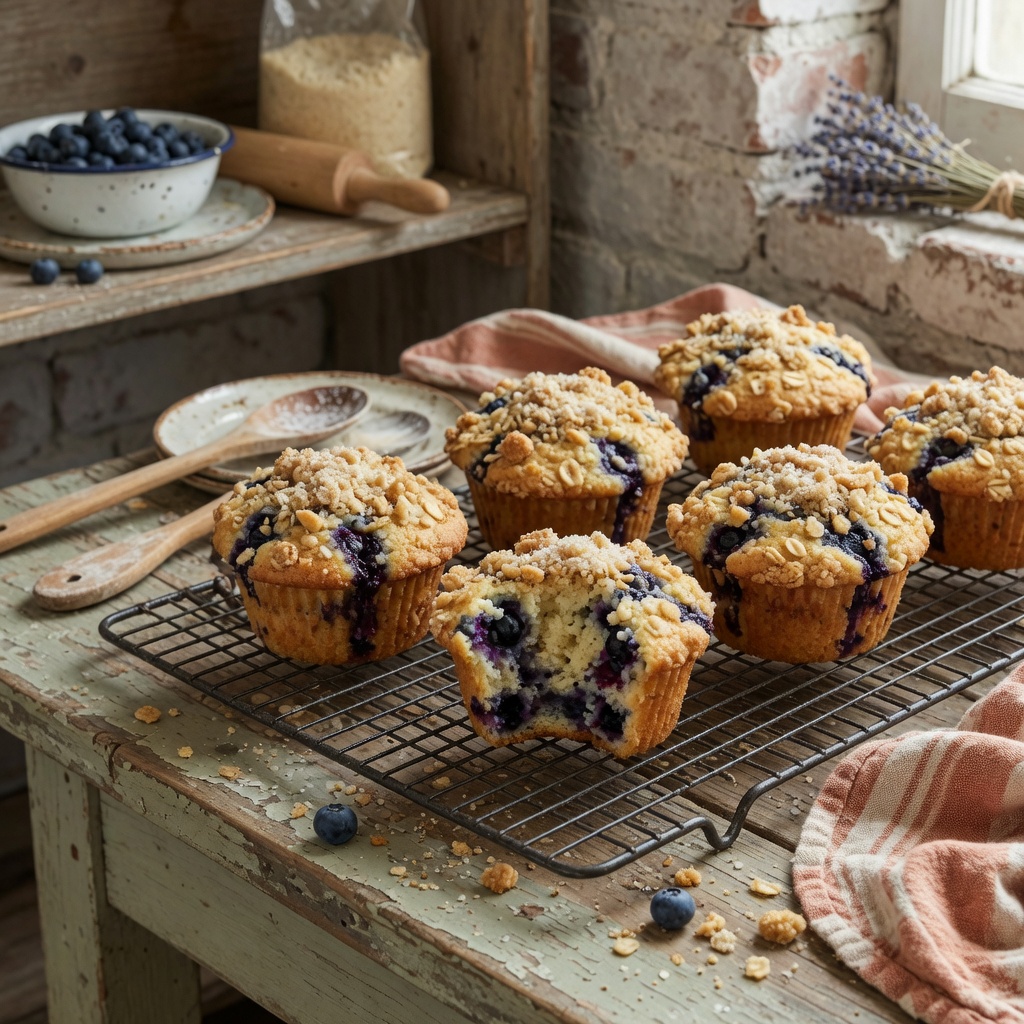
Chia seeds are amazing in muffins, quick breads, cookies, energy bars, and as a thickener for puddings or pie fillings. They add a slight nutty flavor and sometimes a fun, speckled appearance.
Flax Seeds: The Glue Guys (and Girls!)
Flax seeds, or linseeds, are another ancient superfood with incredible binding power. These small, glossy brown or golden seeds have a similar trick up their sleeve as chia: they also form a gelatinous substance when mixed with liquid. This is again due to their high soluble fiber content, including mucilage.
How Flax Seeds Perform in GF Baking:
- Exceptional Binder: Just like chia, ground flax seeds (often called flax meal) make an excellent egg substitute. The gel they form provides a powerful binding action, crucial for the structure of GF baked goods. This helps prevent that common pitfall of our GF creations crumbling into oblivion.
- Adds Tenderness and Richness: Flax seeds contribute a subtle nutty flavor and can add a lovely tenderness to your baked goods. They also contain healthy fats, which can enhance richness and mouthfeel.
- Nutritional Powerhouse (Round Two!): Flax seeds are famous for their omega-3 fatty acids (alpha-linolenic acid, or ALA), fiber (both soluble and insoluble), and unique antioxidants called lignans. These lignans are amazing! They’re linked to various health benefits, including supporting heart health and balancing hormones. You’re boosting your bake’s nutrition effortlessly. For more on the benefits of lignans, check out this great resource: Wikipedia on Lignan.
Using Flax Seeds in Your GF Baking:
It’s crucial to use flax seeds in their ground form (flax meal). Whole flax seeds will pass through your digestive system largely intact, meaning you won’t get the gelling action or the full nutritional benefits. Grind them fresh for best results, or buy pre-ground flax meal and store it in the fridge or freezer to prevent oxidation.
To make a “flax egg” (another fantastic egg replacer):
Mix 1 tablespoon of ground flax meal with 3 tablespoons of water. Stir and let it sit for 5-10 minutes until it thickens to a gel-like consistency. This replaces one large egg. Super simple!
Best for:
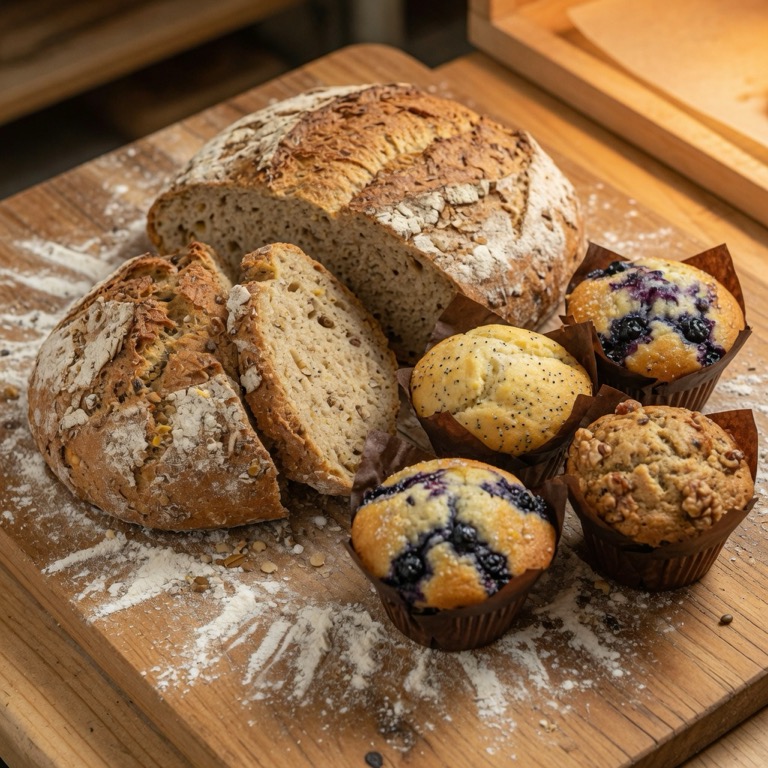
Flax seeds are particularly good in heartier baked goods like breads, savory muffins, cookies, crackers, and even as a binder in veggie burgers or meatballs. They bring a slightly more noticeable nutty flavor than chia.
The Dynamic Duo: Chia AND Flax Together?
Can you use both? Absolutely! In some recipes, a combination of chia and flax can offer the best of both worlds. You might use them together to replace multiple eggs, or to achieve a specific texture. For example, chia’s gel can be a bit more subtle, while flax offers a slightly stronger bind and richer mouthfeel. Experimentation is key to finding your perfect balance.
Perhaps you’re adapting a traditional recipe that calls for two eggs. You could try one chia egg and one flax egg. Or maybe you need a super-strong binder for a dense loaf of GF bread; a blend might be just what you need. Don’t be shy about playing around with ratios! After all, that’s how we truly master the art of GF baking. And if you’re struggling with finding the right balance, remember that understanding Common Gluten-Free Baking Mistakes and How to Fix Them often comes down to knowing your binders.
Tips for Super Seed Success
1. Grind Fresh: For the most potent binding power and nutritional benefits, grind your chia and flax seeds just before use. A coffee grinder works perfectly.
2. Hydration is Key: Always make sure your seeds are properly hydrated. Don’t rush the gelling process. Give them the full 5-10 minutes. This is critical for them to do their job properly.
3. Don’t Overdo It: While these seeds are wonderful, adding too much can make your baked goods gummy or overly dense. Start with the suggested ratios for egg replacement and adjust as needed for other applications.
4. Storage Savvy: Store whole chia and flax seeds in a cool, dark place. Once ground (especially flax meal), they’re more susceptible to oxidation. Keep ground seeds in an airtight container in the refrigerator or freezer. This preserves their freshness and beneficial omega-3s. A helpful guide to understanding the oxidation of omega-3s in seeds can be found here: Healthline on Flax vs. Chia Stability.
Beyond the Bind: A Nutritional Powerhouse
We’ve talked a lot about binding, but let’s not forget the incredible nutritional gifts these seeds bring to your GF kitchen.
- Fiber-Rich: Both seeds are fiber superstars. This is fantastic for digestive health and helps keep you feeling full and satisfied.
- Omega-3 Fatty Acids: They’re packed with ALA, an essential fatty acid crucial for brain health, heart health, and reducing inflammation.
- Plant Protein: While not a complete protein source on their own, they contribute a nice boost of plant-based protein to your diet.
- Vitamins and Minerals: Calcium, magnesium, phosphorus, manganese… these tiny seeds are loaded with micronutrients!
By incorporating chia and flax, you’re not just making your GF baking easier; you’re also making your treats healthier. How cool is that?
Get Baking!
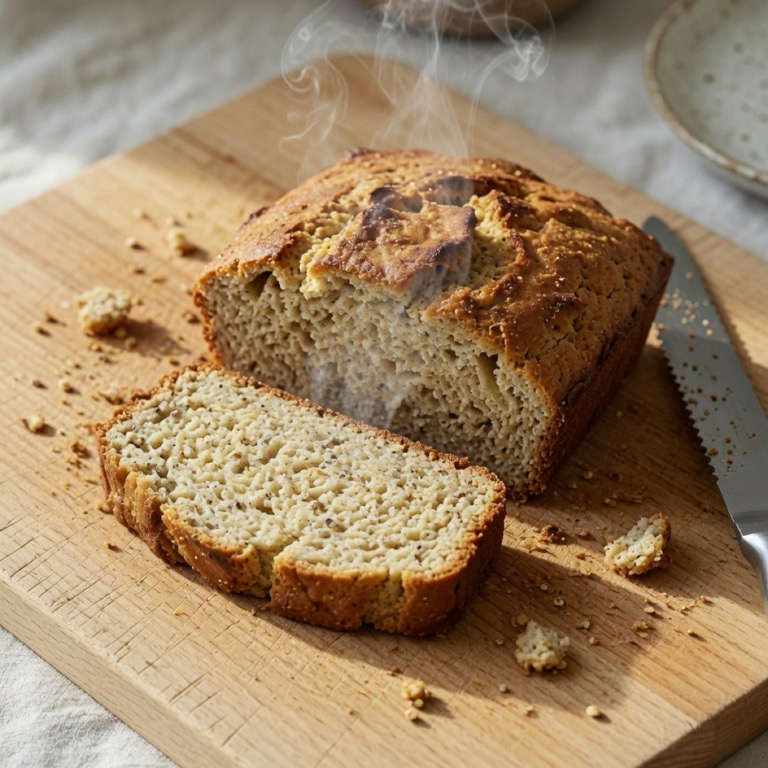
Now that you’re armed with the knowledge of these amazing super seeds, it’s time to get into the kitchen. Try adding ground chia to your next batch of GF banana bread for extra moisture. Use flax eggs to bind your favorite GF chocolate chip cookies. You’ll be amazed at the difference they make. And remember, Adapting Traditional Recipes for Gluten-Free Success often involves understanding how to substitute effectively. Chia and flax are your new best friends for that!
The world of gluten-free baking is abundant and full of delicious possibilities. Chia seeds and flax seeds are simply two shining examples of how natural, wholesome ingredients can transform your kitchen experience, making it easier, tastier, and more nutritious. So grab your seeds, get mixing, and enjoy the delicious results. Happy GF baking, everyone!
Ready to explore more incredible ingredients and techniques? Dive into our main guide on Gluten-Free Baking Essentials to continue your journey!