Gluten-Free Oats: Purity Standards and Health Benefits Research (2026)


You know that warm, cozy hug you get from a perfect bowl of oatmeal on a chilly morning? That feeling of sustained energy that carries you through your day? For years, many of us on a gluten-free journey thought that hug was off-limits. But guess what? Times have changed! The world of gluten-free eating is constantly evolving, bringing us more delicious and safe options than ever before. If you’re curious about the science behind it all, you should absolutely check out our main guide on Research & Innovations in Gluten-Free. Today, we’re diving deep into one of the most exciting, and sometimes misunderstood, pantry staples: gluten-free oats.
Yes, you heard that right! Oats can absolutely be a part of your GF life. They are a nutritional powerhouse, a true hero in the grain world. But for us, there’s a crucial twist: purity. Not all oats are created equal when it comes to being genuinely gluten-free. Let’s unpack the magic and the meticulous standards that make GF oats a go-to for so many.
The Big “Why”: Understanding Gluten-Free Oat Purity
Here’s the scoop. Oats, by nature, do not contain gluten. Shocking, right? Their inherent protein, called avenin, is generally well-tolerated by most people with celiac disease or gluten sensitivity. However, traditional oats are often grown, harvested, and processed right alongside wheat, barley, or rye. Think of it like a bustling bakery: even if you’re making a dedicated GF cake, if wheat flour is flying everywhere, tiny bits can land in your mix. This is called cross-contamination, and it’s the arch-nemesis of our GF world.
To ensure oats are safe for us, they must follow strict “purity protocols.” This means one of two things:
- Dedicated Fields: These oats are grown in fields where only oats are planted, far from gluten-containing grains. Farmers use dedicated equipment for planting, harvesting, and transporting. It’s like having a private chef just for your GF meals.
- Optical Sorting: This is a marvel of modern technology. After harvesting, these oats go through a high-tech sorting facility. Advanced optical sorters use cameras and air jets to identify and remove any rogue wheat, barley, or rye kernels. It’s like having super-smart tiny robots pick out the gluteny bits for you. Pretty cool, huh?
Both methods are designed to meet stringent gluten-free certification standards, typically ensuring the final product contains less than 20 parts per million (ppm) of gluten. That 20 ppm threshold is the international benchmark for gluten-free safety, basically meaning it’s negligible for the vast majority of people following a GF diet. Always look for that “certified gluten-free” label on your oat products. It’s your golden ticket to a worry-free bowl.
Avenin Sensitivity: A Quick Detour
Now, a small but important note. While most people with celiac disease or gluten sensitivity can happily enjoy certified gluten-free oats, a tiny percentage of individuals might still experience symptoms. This isn’t due to gluten, but rather a sensitivity to avenin, the oat protein itself. It’s rare, but it happens. If you’ve tried certified GF oats and still feel off, it might be worth discussing with your doctor or a dietitian. For the vast majority of us, though, it’s all systems go!
The Power-Packed Perks: Health Benefits of Oats
Okay, so we’ve cleared up the “how” of safe oats. Now let’s talk about the “why.” Why should you even bother with these humble grains? Because they are absolutely bursting with goodness!
Oats are a nutritional powerhouse, no exaggeration. They’re like that super-organized friend who always has exactly what you need. Here’s what they bring to the table:
- Fiber, Fiber, and More Fiber: Oats are champions of both soluble and insoluble fiber. Soluble fiber, particularly beta-glucan (we’ll get to that superstar in a sec), dissolves into a gel-like substance. This helps slow digestion, keeps you feeling full, and supports healthy cholesterol levels. Insoluble fiber acts like a broom, sweeping through your digestive system and promoting regularity. Your gut will thank you!
- Beta-Glucan: The Heart-Health Hero: This specific type of soluble fiber is the rockstar of oats. Research, including studies published as recently as 2024, consistently shows beta-glucan’s incredible ability to lower LDL (the “bad”) cholesterol without affecting HDL (the “good”) cholesterol. It also plays a significant role in stabilizing blood sugar levels, making oats an excellent choice for sustained energy without those dreaded sugar spikes. Think of it as your body’s personal bodyguard against blood sugar rollercoasters.
- Antioxidants Galore: Oats contain unique antioxidants called avenanthramides. These compounds have anti-inflammatory properties and can help protect your cells from damage. It’s like a tiny shield for your body.
- Vitamins and Minerals: They’re loaded with manganese, phosphorus, magnesium, copper, iron, zinc, folate, and B vitamins. Basically, a whole multivitamin in a bowl.
Recent Research: Oats and Your Well-Being (2020-2026)
The scientific community is continually exploring the vast benefits of incorporating oats into a regular diet, especially within a gluten-free context. Studies from the past few years have really cemented their status as a health hero.
For instance, a comprehensive review published in the journal *Nutrients* in 2023 highlighted how oat consumption, particularly its beta-glucan content, positively impacts cardiovascular health. It doesn’t just lower cholesterol; it also helps reduce blood pressure and improve overall heart function. The findings suggest that regularly including oats can significantly contribute to preventative health strategies, making your heart sing a happy tune.
Beyond heart health, research has increasingly focused on oats’ role in digestive wellness. A 2024 study published in the *Journal of Food Science and Technology* investigated how the prebiotic fibers in oats contribute to a healthy gut microbiome. Prebiotics are like food for the beneficial bacteria in your gut. When these good guys are happy, your entire digestive system (and even your mood!) benefits. This kind of research is truly exciting, as understanding the gut microbiome’s impact on a gluten-free diet is a rapidly expanding field. You can learn more about that fascinating connection by checking out our post on Decoding the Gut Microbiome: Impact of a Gluten-Free Diet.
Another area of active research is blood sugar management. A 2025 meta-analysis in *Diabetes Care* reinforced the efficacy of oat beta-glucan in improving glycemic control for individuals with type 2 diabetes and those at risk. The slow digestion of oats means a steadier release of glucose into the bloodstream, preventing those sharp spikes that can be so detrimental. It’s a gentle hand on the blood sugar reins, keeping things balanced.
So, when you reach for certified gluten-free oats, you’re not just grabbing a tasty breakfast. You’re opting for a food backed by solid science, ready to fuel your body and support your long-term health.
Bringing Oats Into Your Delicious GF Life
The best part about certified gluten-free oats? Their incredible versatility! They are truly a chameleon in the kitchen, adapting to almost any flavor profile you can imagine.
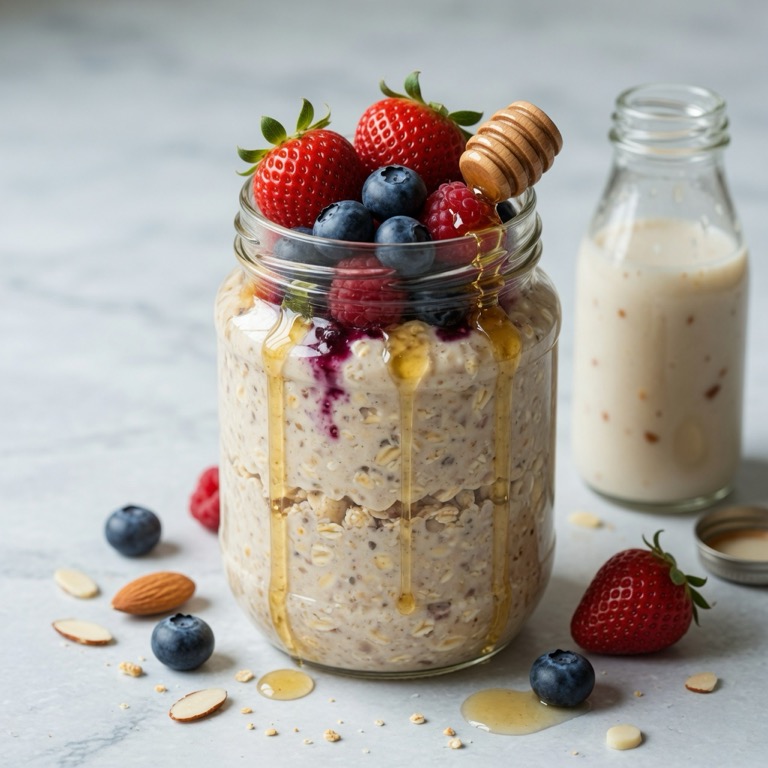
- Breakfast Bliss: Beyond the classic porridge, think overnight oats with fruit and seeds, baked oatmeal casseroles, or delicious GF granola bars.
- Baking Bonanza: Oat flour is a fantastic gluten-free alternative, adding a lovely chewiness and nutty flavor to muffins, cookies, and quick breads. Plus, whole rolled oats make incredible crisps and crumbles. They can really help with texture, which, as we know, can be a big challenge in GF baking. If you’re into that, you might enjoy our article on Innovations in Gluten-Free Bread Texture: A Scientific Review.
- Savory Surprises: Don’t limit oats to sweet dishes! Use them as a binder in GF meatloaves or veggie burgers, thicken soups and stews, or even toast them for a crunchy topping on salads.
With certified gluten-free oats readily available, there’s no reason to miss out on their incredible taste and health benefits. They truly are a cornerstone of a vibrant, nutritious gluten-free diet. Just remember to always look for that “certified gluten-free” label. It’s your promise of purity and peace of mind.
Embrace the Oat-Standing Goodness!
Certified gluten-free oats are so much more than just a safe grain. They are a delicious, versatile, and nutrient-dense food that can bring incredible value to your plate. From boosting your heart health and stabilizing your blood sugar to making your gut happy and fueling your day with sustained energy, oats are truly a gift. So go ahead, experiment, enjoy, and welcome these wonderful grains back into your GF kitchen with confidence and joy. Your body (and your taste buds!) will thank you.
Sources: