Decoding the Gut Microbiome: Impact of a Gluten-Free Diet (2026)


Ever feel like your gut is running its own secret society? Turns out, it totally is! And trust me, it’s far more fascinating (and impactful!) than any secret club you tried to join in high school. We’re talking about your gut microbiome, a bustling, microscopic metropolis inside you that plays a massive role in your overall health. And for us GF folks, understanding how our gluten-free diet shapes this inner world is a super important piece of the wellness puzzle.
Think of your gut like a vast, vibrant garden. Inside that garden, trillions of tiny residents (bacteria, fungi, and more) are all working hard. They process your food, produce vitamins, and even chat with your brain. What you eat directly feeds (or starves) these tiny gardeners, shifting the entire ecosystem. For anyone committed to a gluten-free lifestyle, whether for celiac disease, gluten sensitivity, or simply choosing a GF path, this conversation is extra special. It’s about optimizing that internal garden for peak health, joy, and deliciousness. We’re going to dig deep into this, because knowing your gut is knowing yourself. It’s part of the bigger picture of Research & Innovations in Gluten-Free, making our plates not just safe, but truly nourishing.
Your Gut: A Bustling, Microscopic Metropolis
So, what exactly is this “gut microbiome” everyone’s talking about? Simple. It’s the collection of all the microorganisms (mostly bacteria, but also viruses, fungi, and other tiny life forms) that live in your digestive tract, particularly your large intestine. Imagine it as a giant, internal rainforest. Each species of plant and animal (in this case, microbe) has a job. Some break down tough fibers. Others create essential vitamins. Some even help train your immune system. It’s a diverse community, and its balance is key.
A healthy microbiome has a wide variety of these friendly critters. Diversity is good! Like a healthy investment portfolio, you don’t want all your eggs in one basket. When your gut garden is thriving, these good guys keep the peace, push out unwelcome visitors, and basically help everything run smoothly. When things get out of whack, that’s when digestive issues, fatigue, brain fog, and a host of other problems can pop up. It’s a delicate dance, this internal ecosystem.
Gluten’s Role in the Gut (For Some of Us)
Now, let’s talk about gluten. For the majority of the population, gluten, a protein found in wheat, barley, and rye, is digested without much fuss. But for others, it’s a real troublemaker. In people with celiac disease, gluten triggers an autoimmune response. The body attacks its own small intestine, causing damage to the villi (tiny, finger-like projections that absorb nutrients). This damage leads to malabsorption, making it hard to get the vitamins and minerals you need, even from the healthiest foods. Not great.
For those with non-celiac gluten sensitivity (NCGS), the reaction isn’t autoimmune, but gluten still causes symptoms. Think bloating, pain, fatigue, and brain fog. Research is still piecing together the exact mechanisms behind NCGS, but it’s clear that for many, gluten is simply not a friend to their gut. It can cause inflammation, alter gut barrier function, and, yes, directly impact the microbial community living there. Basically, it can throw your gut garden into chaos, making it less diverse and more susceptible to the “bad” weeds taking over.
Going GF: A Gut Renovation Project!
So, you go gluten-free. What happens next inside that amazing gut of yours? For people with celiac disease, removing gluten allows the small intestine to heal. Those damaged villi start to repair themselves. This is huge for nutrient absorption and overall health. But the changes go deeper, right down to your microbiome.
When you remove a known irritant (gluten), you create a new environment. It’s like clearing out all the thorny, invasive plants from your garden. This gives the beneficial, native plants a chance to flourish. Studies have shown that a gluten-free diet can lead to significant shifts in gut bacteria. Some problematic species might decrease, while beneficial ones might start to thrive. It’s a rebalancing act, giving your gut a much-needed reset. This is why so many people feel incredibly better once they ditch gluten, not just physically, but mentally too. Your gut and brain are always chatting, remember?
The Wonderful World of Positive GF Gut Changes
Embracing a GF lifestyle, especially one rich in whole, unprocessed foods, often brings a wave of positive changes to your gut microbiome. And you feel these changes! It’s not just some abstract science experiment. It’s real life, real energy, real comfort.
- Increased Beneficial Bacteria: Many studies report an increase in helpful bacteria like Bifidobacterium and Lactobacillus species in people on a healthy GF diet. These are the rockstars of gut health, producing beneficial compounds and keeping the gut lining strong. More good guys means a happier gut.
- Reduced Inflammation: Gluten can be a pro-inflammatory agent for those sensitive to it. Taking it out of the picture means less irritation in your gut. Less inflammation means less stress on your body, and a healthier environment for your good microbes to do their job. It’s like turning down the heat in a tense kitchen.
- Improved Gut Barrier Function: For individuals with celiac disease, gluten causes “leaky gut” where the gut lining becomes permeable. Going GF helps restore the integrity of this barrier, preventing unwanted substances from entering the bloodstream. This is a critical step for overall health.
- Better Digestion and Nutrient Absorption: When your gut isn’t constantly battling gluten, it can focus on its primary jobs: breaking down food and soaking up all those good nutrients. This means less bloating, less discomfort, and more energy for you. Win-win-win!
Avoiding the “GF Trap”: Keeping Your Gut Happy and Diverse
Now, here’s the kicker: going gluten-free isn’t automatically a golden ticket to a perfect gut microbiome. Not all GF foods are created equal. If your GF diet consists mainly of highly processed GF cookies, crackers, and white rice pasta (the “GF junk food trap”), you might actually *lose* some beneficial gut diversity. These products often lack the fiber and prebiotics that gut microbes absolutely love. They’re like giving your garden sugary cereal instead of nutrient-rich compost.
A well-managed, diverse gluten-free diet, however, is a different story. It prioritizes nutrient-dense whole foods. We need to remember that our gut microbes thrive on fiber. Lots of it. And variety! That means we need to be smart about our choices. It’s not just about avoiding gluten, but actively choosing foods that feed our internal allies. This is why understanding The Impact of Processing Methods on Gluten-Free Nutritional Value is so important. Highly processed GF foods, while safe from gluten, might strip away much-needed fiber and micronutrients.
Feeding Your Happy Gut: The GF Way
So, how do you cultivate that thriving gut garden, GF-style? It’s all about putting the right ingredients into your shopping cart and onto your plate. Think colors, textures, and lots of wholesome goodness.
Here’s your gut-friendly GF grocery list:
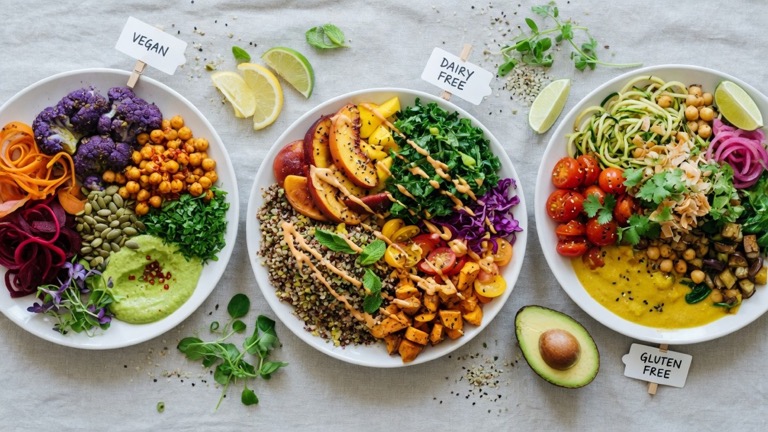
- Embrace Whole GF Grains: Forget white rice all the time. Bring in brown rice, quinoa, millet, buckwheat, sorghum, and oats (certified GF, of course!). These are fiber powerhouses. They provide prebiotics, which are basically food for your good gut bacteria.
- Load Up on Fruits and Veggies: This is a no-brainer. Every color of the rainbow offers different fibers, antioxidants, and vitamins. Aim for a wide variety. Berries, leafy greens, broccoli, sweet potatoes, bananas, apples – they all contribute to a diverse and happy gut.
- Introduce Legumes: Beans, lentils, and chickpeas are fiber champions. They’re also great sources of plant-based protein. Add them to salads, stews, or make a delicious GF hummus.
- Enjoy Fermented Foods: These are probiotic superheroes! Think GF yogurt, sauerkraut, kimchi, and kombucha. These foods contain live, beneficial bacteria that can directly add to your gut’s population. And speaking of fermented foods, you might be interested in the latest on Innovations in Gluten-Free Fermented Foods: Sourdough and Probiotics, which explores how new techniques are making these delicious gut-boosters even more accessible and varied.
- Healthy Fats: Avocados, olive oil, and nuts (in moderation) support overall gut health and can help reduce inflammation.
The goal is to provide a wide array of fermentable fibers. Different types of fiber feed different types of bacteria. So, variety is truly the spice of life for your microbiome.
The Future is Bright (and Delicious!)
The science of the gut microbiome is still relatively young, but it’s advancing incredibly fast. Researchers are constantly learning more about which specific bacteria do what, how they interact, and how our diet shapes their world. What’s clear is that for those of us on a gluten-free diet, we have a unique opportunity to actively shape a healthier internal environment. We’re not just avoiding trouble; we’re building something better.
The future of GF eating isn’t just about finding safe alternatives. It’s about consciously choosing foods that nourish every part of us, right down to our tiniest inhabitants. It’s about understanding that every meal is an opportunity to strengthen our health and vibrancy. So, let’s continue to embrace diverse, delicious, whole GF foods, knowing that with every bite, we’re feeding our amazing bodies and cultivating a flourishing internal garden.
Remember, you’re the master gardener of your gut! Make choices that make it sing. And keep an eye on new developments in the field, like those explored in Research & Innovations in Gluten-Free, because our understanding of what makes a truly healthy GF lifestyle just keeps growing. Your gut will thank you.
Sources: