
GF Guide
Research & Innovations in Gluten-Free (2026)

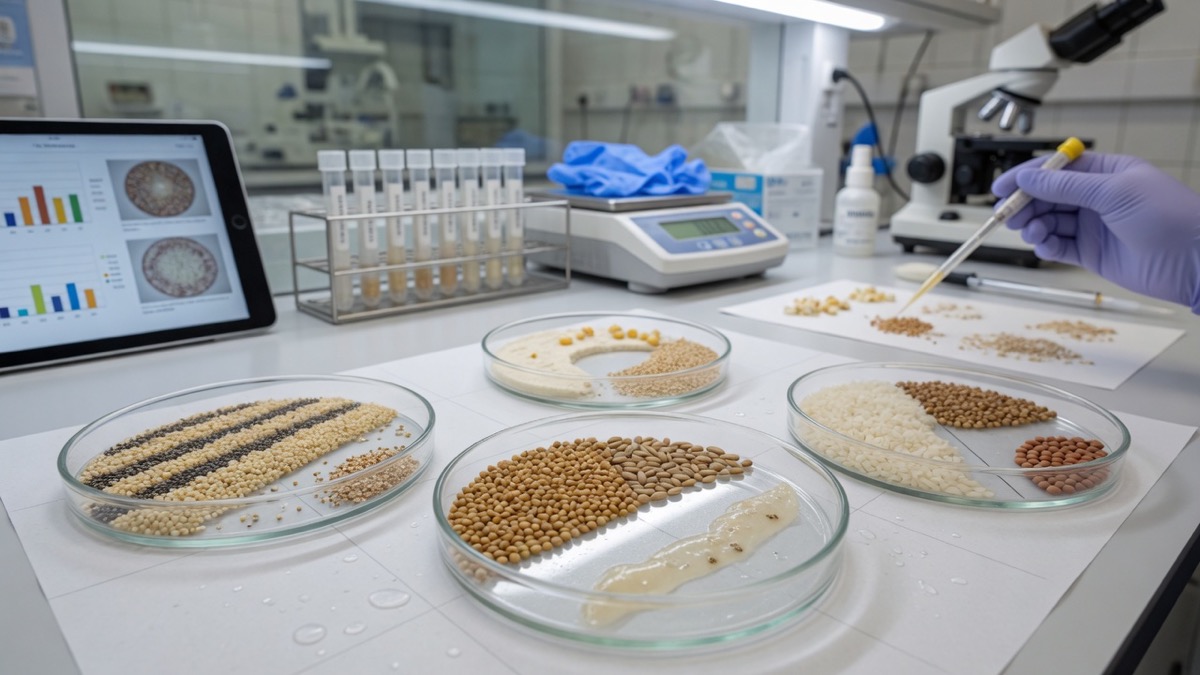
Hey there, my GF-loving friends! Pull up a chair, maybe grab a fresh-baked gluten-free cookie (you know, the kind that actually bends instead of crumbles). Today, we’re going to chat about something truly exciting: the future of gluten-free eating. Because guess what? It’s not just about avoiding gluten anymore. It’s about thriving, exploring, and truly enjoying every single bite.
Remember when going GF meant a world of cardboard textures and questionable flavors? Yeah, those days are pretty much in the rearview mirror. We’re in 2026, and the world of gluten-free research and innovation is absolutely buzzing. Scientists, chefs, and food innovators are busy working behind the scenes, making our GF lives not just easier, but genuinely more delicious and nutritious than ever before. It’s like they’re all secretly culinary superheroes, and we get to reap the yummy rewards!
Flour Power: Beyond the Basics
Let’s start with the building blocks, shall we? For ages, gluten-free baking felt like a perpetual science experiment with rice flour, cornstarch, and a prayer. But things have changed. A lot. Researchers are digging deep, finding incredible novel starches from sources we never considered before. Think of them as the secret spices in a gourmet dish, adding structure and tenderness.
And it’s not just about starches. The rise of ancient grains in gluten-free baking is a huge deal. Grains like teff, sorghum, and millet aren’t new to humanity, but their potential in GF recipes? That’s fresh. They bring fantastic flavor, better nutrition, and a whole new textural profile to the table. Plus, we’re learning more about how different gluten-free flours blend for optimal results, creating magic that tastes like, well, actual magic.
Another major player? Plant-based proteins as gluten-free binders and enhancers. Think pea protein, lentil flour, or even faba bean protein. These aren’t just for adding protein to your smoothie; they’re becoming critical for giving GF breads that chewiness we all crave. They help mimic gluten’s sticky-stretchy superpower, making sure your GF muffin doesn’t just crumble when you look at it funny.
The Texture Revolution: Say Goodbye to Crumbly
Let’s be real: texture has always been the GF Everest. Dry, crumbly, dense… sound familiar? Not anymore! Scientists are truly figuring out the secrets to amazing texture. They’re exploring the role of hydrocolloids in gluten-free product development. These are things like xanthan gum and guar gum, but also newer, more natural options, acting like tiny, invisible architects, holding everything together perfectly.
The impact is huge, especially for staples like bread and pasta. Dedicated teams are focused on innovations in gluten-free bread texture, aiming for that airy, chewy, slightly crusty perfection. And pasta? Oh, the pasta! The future of gluten-free pasta is looking incredibly bright, with advancements in ingredients and processing that mean your spaghetti will finally hold its shape and offer a satisfying bite, not just turn to mush.
Nutrition First: Boosting Our Plates
It’s not enough for GF food to taste good; it needs to be good for you. Historically, GF diets could sometimes fall short on fiber and certain micronutrients. But research is changing that. We’re seeing biofortification of gluten-free foods, which means adding essential vitamins and minerals directly into our everyday products. Imagine your GF bread subtly packed with extra iron or B vitamins – how cool is that?
And speaking of good-for-you, dietary fiber in gluten-free diets is a hot topic. Researchers are finding new sources and ways to incorporate fiber without sacrificing taste or texture. Plus, the impact of processing methods on gluten-free nutritional value is under the microscope. This means companies are finding smarter ways to cook and prepare our foods, keeping all those good nutrients intact.
The Gut Connection: Understanding Our Inner Workings
Our gut microbiome is basically our internal garden, and keeping it healthy is key. For those of us on a GF diet, especially folks with celiac disease, understanding this connection is vital. There’s fascinating research decoding the gut microbiome and the impact of a gluten-free diet. We’re learning how different GF foods affect our gut flora, helping us make even better choices for digestive health.
And for those with celiac disease, preventing leaky gut syndrome is a constant concern. New research is giving us insights into how to strengthen that gut barrier, which is super important for long-term health. It’s all about creating a robust, happy internal ecosystem.
Smarter Diagnoses & Future Therapies
Getting a celiac diagnosis can be a long, bumpy road. But thankfully, new diagnostic tools for celiac disease and gluten sensitivity are on the horizon. These tools promise quicker, more accurate answers, which means less time feeling sick and more time feeling like yourself again. They’re like super-sleuths, finding gluten issues more efficiently.
And what about those “oops” moments, those accidental gluten exposures? Exciting enzyme therapies for gluten exposure are being explored. These aren’t cures, but they could offer a buffer, helping to break down small amounts of gluten before they cause too much trouble. It’s like having a little clean-up crew on standby. While these are still under active research, the possibilities are definitely inspiring.
Beyond celiac, there’s growing understanding of Non-Celiac Gluten Sensitivity (NCGS). It’s a real thing, and scientists are making strides in understanding its mechanisms, symptoms, and how best to manage it. Plus, researchers are looking beyond celiac, researching gluten’s impact on other autoimmune diseases, opening up conversations about wider health implications. This holistic view is fantastic for our community.
Safety & Purity: Protecting Our Plates
Cross-contamination is the bane of every GF eater’s existence. But guess what? Innovation is coming to our rescue! We’re seeing advancements in advanced testing and manufacturing to reduce cross-contamination. This means better protocols in food production, making our certified GF products even safer.
And the tech for spotting hidden gluten? It’s getting seriously clever. New technologies for detecting trace gluten in food are emerging, giving manufacturers and even consumers more powerful tools to ensure purity. Think of tiny gluten-sniffing detectors! Even smart packaging innovations for gluten-free food safety are on the horizon, potentially telling you if a product has been compromised.
A specific area of focus is gluten-free oats. While oats are naturally GF, contamination is a big risk. Research is refining purity standards and confirming the health benefits of truly GF oats, ensuring we can enjoy our oatmeal without worry. Just make sure they’re certified GF!
Delicious Developments: What’s On Our Menus?
Beyond the basics, the fun stuff is getting seriously good. Gluten-free fermented foods are experiencing a renaissance. Sourdough bread that’s actually GF and actually *sourdough*? Yes, please! And the probiotic benefits are a bonus.
And for those branching out, gluten-free dairy alternatives are evolving rapidly. We’re talking about options that truly taste and perform like their dairy counterparts, without compromising on GF safety. Plus, advancements in gluten-free beer and alcoholic beverages mean more choice and better quality for those who enjoy a tipple. Cheers to that!
Even the shelf life of our favorite GF products is getting a glow-up. Recent breakthroughs in enhancing the shelf life of gluten-free products mean less waste and more fresh-tasting food for longer. It’s a win-win.
The Cutting Edge: What’s Next?
The future holds some truly mind-bending possibilities. Imagine personalized gluten-free diets, tailored to your unique genomics and dietary needs. This isn’t just about avoiding gluten; it’s about optimizing your health based on your individual biology. It’s like having a diet designed just for you, by you.
There are also fascinating discussions around gene editing and low-gluten wheat. This is a complex area with both scientific and ethical debates, but the idea is to potentially reduce gluten content in wheat itself. It’s a bold concept, sparking much conversation in the scientific community (source: Nature Plants). We’re also seeing the very earliest discussions about lab-grown and alternative proteins in gluten-free food, which could reshape our food landscape.
And let’s not forget our planet! Sustainable sourcing for gluten-free ingredients is becoming more important. We want our delicious GF food to be good for us and good for the Earth, too. It’s about building a better food system for everyone, especially for us.
The Heart of It All: You, Me, and Our Plates
All this research and innovation isn’t just happening in labs; it’s happening for us, the gluten-free community. It’s about more options, more flavor, more peace of mind, and ultimately, more joy around the dinner table. It’s about moving past limitations and embracing a truly abundant, delicious life.
The market reflects this excitement, with consumer acceptance and market trends in gluten-free innovations showing huge growth. People are embracing GF not just out of necessity, but because it’s becoming genuinely good food. And that’s a powerful shift.
So, next time you bite into a perfect GF pastry or savor a hearty GF meal, take a moment to appreciate the incredible work happening behind the scenes. This journey isn’t over; it’s just getting started. And with every new discovery, every new product, our gluten-free world gets a little bit brighter, a little bit tastier, and a whole lot more exciting. Here’s to a future overflowing with delicious, safe, and nutritious GF goodness!
Related Deep Dives
- The Rise of Ancient Grains in Gluten-Free Baking
- Innovations in Gluten-Free Bread Texture: A Scientific Review
- Decoding the Gut Microbiome: Impact of a Gluten-Free Diet
- New Diagnostic Tools for Celiac Disease and Gluten Sensitivity
- Enzyme Therapies for Gluten Exposure: What’s on the Horizon?
- Beyond Rice and Corn: Novel Starches in Gluten-Free Food Production
- The Future of Gluten-Free Pasta: Texture, Taste, and Nutrition
- Reducing Cross-Contamination: Advanced Testing and Manufacturing
- Biofortification of Gluten-Free Foods: Boosting Nutrient Content
- Understanding Non-Celiac Gluten Sensitivity: Recent Discoveries
- Plant-Based Proteins as Gluten-Free Binders and Enhancers
- Innovations in Gluten-Free Fermented Foods: Sourdough and Probiotics
- The Role of Hydrocolloids in Gluten-Free Product Development
- Personalized Gluten-Free Diets: Genomic and Dietary Approaches
- Sustainable Sourcing for Gluten-Free Ingredients: Eco-Friendly Practices
- New Technologies for Detecting Trace Gluten in Food
- Gluten-Free Oats: Purity Standards and Health Benefits Research
- Enhancing Shelf Life of Gluten-Free Products: Recent Breakthroughs
- The Impact of Processing Methods on Gluten-Free Nutritional Value
- Consumer Acceptance and Market Trends in Gluten-Free Innovations
- Gene Editing and Low-Gluten Wheat: Ethical and Scientific Debates
- The Role of Dietary Fiber in Gluten-Free Diets: New Sources and Benefits
- Preventing Leaky Gut Syndrome in Celiac Disease: Research Updates
- Gluten-Free Dairy Alternatives: Innovations in Taste and Texture
- Advancements in Gluten-Free Beer and Alcoholic Beverages
- The Science of Gluten-Free Flours: Blending for Optimal Results
- Microencapsulation Techniques for Gluten-Free Nutrient Delivery
- Beyond Celiac: Research on Gluten’s Impact on Autoimmune Diseases
- Smart Packaging Innovations for Gluten-Free Food Safety
- Future Food Trends: Lab-Grown and Alternative Proteins in Gluten-Free
Reference: Celiac Disease Foundation