Reading Gluten-Free Labels: A Brand-by-Brand Guide (2026)

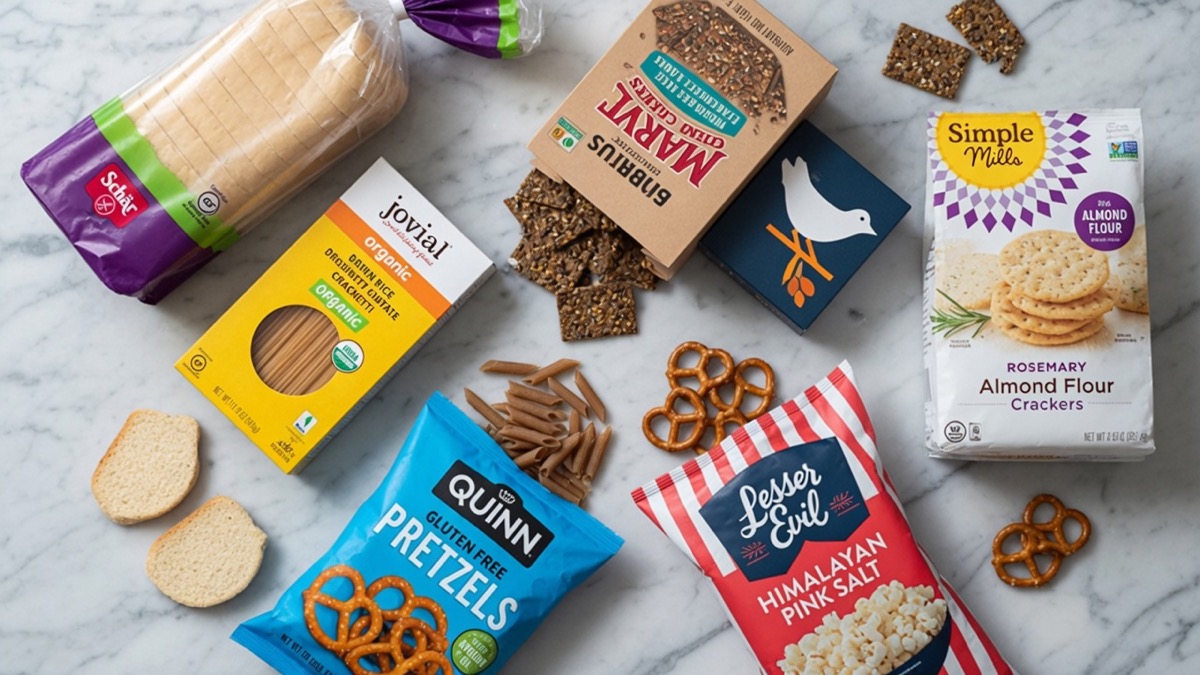
Cracking the Code: Your Brand-by-Brand Guide to Gluten-Free Labels
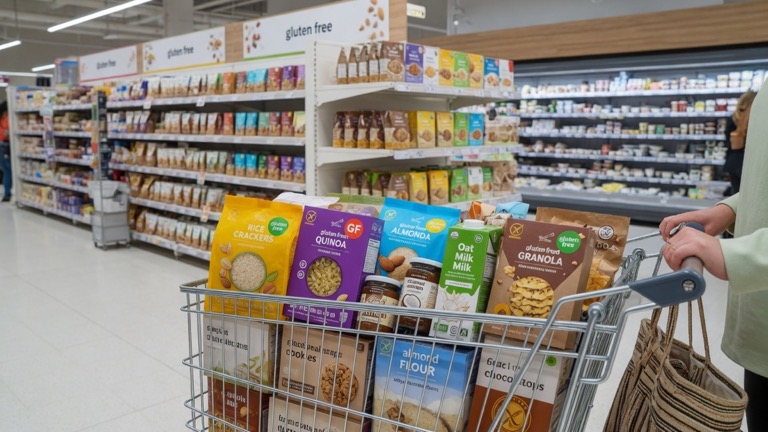
Alright, my wonderful gluten-free friends! Let’s be real for a moment. Stepping into a grocery store when you’re eating GF can sometimes feel like trying to decipher an ancient scroll. You want to grab that delicious-looking pasta or those tempting cookies, but then… the label. All those ingredients, warnings, and promises. It’s enough to make your head spin, right?
No more head-spinning! I’m here, your trusted GF guru, ready to transform you from a hesitant label-reader into a confident, joyful shopper. We’re not just learning to *read* labels today. We’re learning to *understand* them, brand by brand, so you can fill your cart with confidence and your plate with pure deliciousness. Think of this as your personal treasure map to the amazing world of Gluten-Free Products & Trusted Brands. Let’s dig in!
What “Gluten-Free” *Actually* Means (And Why It Matters)
First things first, let’s clear the air on what “gluten-free” truly signifies. In the U.S., the Food and Drug Administration (FDA) has a clear definition: for a product to wear the “gluten-free” badge, it must contain less than 20 parts per million (ppm) of gluten. This isn’t just a random number. It’s the lowest level that can be reliably detected using scientific analytical methods. It’s also a level widely considered safe for most people with celiac disease. You can learn more about these standards directly from the source on the FDA’s website.
Now, less than 20 ppm? That’s like finding a single grain of sand in an Olympic-sized swimming pool. It’s incredibly tiny. While some might aim for absolute zero, this standard is robust and designed for safety.
Decoding Your GF Detective Kit: Beyond the Big Label
Sure, seeing “Gluten-Free” emblazoned on the front of a package is a great start. But a truly savvy GF eater looks deeper. You’re building your ultimate GF detective kit.
1. The “Gluten-Free” Claim: Is it simply a claim by the manufacturer, or is it *certified* gluten-free? Certification usually means a third-party organization (like the Gluten-Free Certification Organization, GFCO) has tested and verified the product and its manufacturing process. This often means stricter standards, sometimes even down to 10 ppm. It’s an extra layer of reassurance.
2. Ingredient List: This is where the real sleuthing happens. Always scan for wheat, barley, rye, and sometimes oats (unless they’re certified gluten-free oats). Watch out for sneaky terms like “malt,” “brewer’s yeast,” “semolina,” “durum,” or “spelt.” These are all gluten-containing culprits.
3. Allergen Statement: Below the ingredient list, you’ll often find a “Contains:” statement (e.g., “Contains: Wheat, Soy, Milk”). If wheat is listed here, put it back. Period.
4. Cross-Contact Warnings: This is the tricky one. Phrases like “May contain wheat” or “Manufactured on shared equipment with wheat” are warnings about potential cross-contact. This means gluten-containing ingredients might accidentally find their way into the product during processing. For someone with celiac disease or high sensitivity, these products are generally best avoided. It’s not about ingredients, but about the facility.
Brand Spotlights: Who Does It Best? Your Brand-by-Brand Guide
Let’s dive into some of the brands that make our GF lives easier and tastier! Each has its own approach, but all aim to provide safe, delicious options.
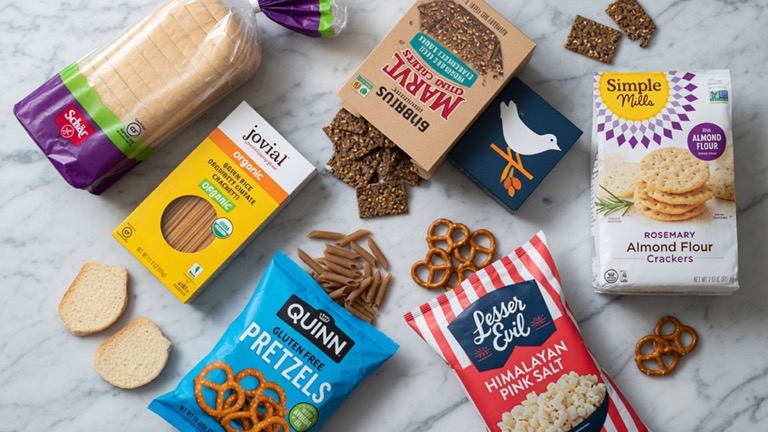
Schar: The European Pioneer with Crystal-Clear Labels
Schar is practically synonymous with gluten-free. This brand, originating in Europe, has been making GF products for decades. They really know their stuff.
* **What they’re known for:** Breads, crackers, pasta, and baked goods that are consistently delicious and reliably GF. Their artisan bread is a personal favorite.
* **How they label:** Schar products are almost always *certified* gluten-free, often displaying the crossed-grain symbol or the GFCO certification logo prominently. Their packaging practically shouts “Gluten-Free!” from the shelves.
* **What to look for:** The big, bold “Gluten-Free” on the front. Check for the certification symbol. Their ingredient lists are usually very clean and easy to read, with no hidden surprises.
* **Why they’re great:** Their dedication to GF is unwavering. They operate dedicated GF facilities, which means minimal risk of cross-contact. You can truly trust Schar for everyday staples.
Bob’s Red Mill: Your Baking Buddy with a GF Focus
If you bake, you know Bob’s Red Mill. They’re a powerhouse for flours, grains, and baking mixes. And for the GF community, they are an absolute lifesaver.
* **What they’re known for:** An incredible array of flours (almond, oat, tapioca, rice), baking mixes, and whole grains. Their GF oat flour is fantastic for pancakes!
* **How they label:** Bob’s Red Mill clearly distinguishes their gluten-free products. They have a dedicated “Gluten-Free” line, often with distinct blue packaging or a clear blue circle logo. Many of these products are made in a dedicated gluten-free facility and are certified GF.
* **What to look for:** Always, always seek out that specific “Gluten-Free” distinction on their packaging. A standard bag of their oat flour, for example, might not be GF. But their *Gluten-Free Oat Flour* will be clearly labeled and processed to be safe. They are very transparent about which products meet the GF standard.
* **Why they’re great:** Their commitment to sourcing and processing GF ingredients is top-notch. They understand the nuances of cross-contact, which is crucial for baking ingredients.
Canyon Bakehouse: Dedicated Bakery Goodness
When you crave soft, delicious bread, bagels, or even a brownie, Canyon Bakehouse comes to the rescue. They’ve cornered the market on truly fantastic GF baked goods.
* **What they’re known for:** Seriously good GF bread that actually tastes and feels like “real” bread. Think soft, pliable, perfect for sandwiches. Their Hawaiian Sweet Bread is a revelation.
* **How they label:** This one is easy! *All* Canyon Bakehouse products are gluten-free. They operate a dedicated gluten-free bakery. So, anything from them is safe to eat. They also display the GFCO certification.
* **What to look for:** Just look for the Canyon Bakehouse name! It’s that simple. Their commitment means you don’t have to scrutinize every single ingredient list once you recognize the brand.
* **Why they’re great:** Total peace of mind. A dedicated GF facility means zero worries about cross-contact. They make eating bread a joy again.
Enjoy Life Foods: Allergen-Friendly Superstars (Naturally GF!)
Enjoy Life Foods is a fantastic brand if you’re dealing with multiple food allergies, as their products are “free from” many common allergens, including gluten.
* **What they’re known for:** Snack bars, cookies, chocolate chips, and baking mixes that are free from 14 common allergens (including wheat, dairy, soy, nuts). Their chocolate chips are a must-have for any GF pantry.
* **How they label:** All Enjoy Life products are gluten-free and clearly state it. They also usually carry the GFCO certification. Their packaging always highlights what the product is “free from,” making it incredibly easy to identify.
* **What to look for:** The prominent “Gluten-Free” claim and their “Free From 14 Allergens” seal. You can quickly see if it meets your needs.
* **Why they’re great:** Their extensive allergen-friendly commitment naturally makes them a safe bet for gluten-free eating. Their products are made in dedicated facilities and rigorously tested.
Beyond the Label: When to Dig a Little Deeper
Sometimes, even with the best brands, you might have questions. Maybe it’s a new product, or you’re just extra cautious (which is totally okay!).
* **Contact the Company:** Most food companies have a “Contact Us” section on their website. Send them an email! Ask about their GF protocols, dedicated lines, and testing. A good company will be transparent.
* **Check Online Databases:** Websites like the Celiac Disease Foundation (CDF) or Beyond Celiac often list certified gluten-free products and resources.
* **Specific Product Guides:** Looking for a specific item? We’ve got you covered! For instance, if you’re craving a cheesy delight, checking out some Gluten-Free Cheese Alternatives You’ll Love can be a game-changer. Or, maybe it’s pizza night? Our Guide to Gluten-Free Pizza Crust Brands will help you pick the perfect base.
Your GF Confidence Checklist: Before You Buy
Before that product goes into your cart, give it a quick once-over:
* **Is it clearly labeled “Gluten-Free”?**
* **Is it certified GF (even better)?**
* **Have I scanned the ingredient list for sneaky gluten?**
* **Are there any “may contain wheat” warnings (and am I comfortable with them)?**
* **Do I recognize and trust the brand’s GF practices?**
Go Forth and Feast, My Friends!
Reading gluten-free labels doesn’t have to be a chore. It’s a skill, a superpower even, that gives you control over your plate and your health. By understanding what to look for and recognizing trusted brands, you can navigate any grocery store aisle with confidence and ease.
So, arm yourself with this knowledge, my fellow GF adventurers. Go explore the incredible bounty of delicious gluten-free options out there. Your plate is waiting, and it’s going to be absolutely spectacular!