Butter & Margarine: Are They Always Gluten-Free? (2026)


Hey there, my fellow food adventurers! Ever stand in front of the dairy case, eyes glazing over, wondering if that innocent-looking tub of butter or stick of margarine is truly on your GF team? You’re not alone! It’s one of those kitchen staples we often take for granted, assuming it’s just, well, fat. But in our vibrant gluten-free world, assumptions are like trying to bake a cake without flour. It just doesn’t work.
The good news? For the most part, butter and margarine can absolutely be part of your delicious gluten-free life. They add richness to sauces, crispness to roasted veggies, and that dreamy, melt-in-your-mouth quality to baked goods. But like any ingredient, a little savvy label-reading goes a long way. We’re here to cut through the confusion and get you confidently spreading, baking, and cooking. Ready to become a pro? We’re diving into the delicious details of keeping your kitchen Gluten-Free Products & Trusted Brands approved!
Butter: A Golden Standard, Usually
Let’s start with butter. Ah, butter. It’s often seen as the darling of the dairy aisle, and for good reason. Real butter is basically just churned cream, with a pinch of salt sometimes added for flavor. That’s it! Cream comes from cows (or goats, or sheep), and dairy itself is naturally gluten-free. So, straight-up, unflavored butter is typically a safe bet for us GF folks. Think of it as your kitchen’s trusty golden retriever – usually friendly, always reliable.
You’ll typically find butter made from pasteurized cream. Some brands might add a touch of salt. Simple. Beautiful. Gluten-free. Butter’s journey from cream to your toast is quite straightforward, making it a generally safe choice.
But Wait, There’s a Catch (Sometimes)
So, if butter is so simple, why the need for a whole blog post? Great question! While plain butter is generally safe, the world of food manufacturing loves to add a little extra pizzazz. This is where things can get tricky. Sometimes, butter products aren’t just cream and salt. We’re talking about:
- Flavored Butters: Garlic butter, herb butter, honey butter. These often contain other ingredients. Some flavorings, especially “natural flavors” or “spices,” might hide gluten-containing carriers or anti-caking agents.
- “Butter Spreads” or “Blends”: These aren’t 100% butter. They often mix butter with other oils (like canola or olive oil) and sometimes other additives to make them more spreadable straight from the fridge. These additives are the red flags we need to watch for.
- Cross-Contamination: This is less common with pure butter but can be a concern if it’s processed on shared lines with gluten-containing products. Reputable brands usually have good practices, but it’s always worth a quick check.
Always double-check the ingredient list. If it says “cream, salt,” you’re likely golden. If it lists a dozen other things, grab your detective magnifying glass.
Margarine: The Plot Thickens (Literally)
Now, let’s talk about margarine. Margarine is a whole different beast. While it’s designed to mimic butter, it’s typically made from vegetable oils (like soybean, canola, or palm oil) and water, with a host of other ingredients to give it the right texture, color, and flavor. Because it’s a processed food with more components, the chances of encountering hidden gluten go up. It’s like a recipe with a lot more ingredients, making it harder to track every single one.
Think of margarine as butter’s clever cousin who’s a bit more complicated. It might be dairy-free or vegan, which is great for some, but its complex ingredient list means we need to be extra vigilant.
Common Gluten Culprits in Margarine
When you’re scrutinizing margarine labels, here are some ingredients that can be sneaky sources of gluten:
- Emulsifiers and Stabilizers: These are used to bind the oil and water together and keep the margarine from separating. While many are gluten-free (like soy lecithin), some can be derived from wheat or contain gluten.
- Thickeners: Certain starches or gums used to achieve a desired texture might be wheat-based or manufactured in shared facilities.
- Flavorings and Colorings: Just like with flavored butters, “natural flavors,” “artificial flavors,” or even some color additives can contain hidden gluten carriers or be processed with gluten.
- Whey Protein Concentrate or Milk Solids (in some): While dairy itself is GF, sometimes these are processed in ways that introduce cross-contamination, or they are mixed with other gluten-containing ingredients in a blend.
It’s all about what’s added to achieve that spreadable texture and buttery taste. These aren’t necessarily bad ingredients, but they demand our attention as gluten-free eaters. For a deeper dive into food additives and what they mean, sources like FoodSafety.gov’s guide on food allergens can be really helpful.
The “Why” Behind the Confusion: Hidden Ingredients & Shared Lines
So, why the fuss over something as basic as butter or margarine? It comes down to two main things: ingredient complexity and manufacturing practices.
Ingredient Complexity
As we’ve seen, pure butter is simple. Margarine is less so. When you start adding “natural flavors,” “stabilizers,” or “emulsifiers,” you open the door to ingredients that might contain gluten or have been processed alongside it. These aren’t always explicitly labeled as “wheat” or “barley” because they’re part of a larger compound ingredient. It’s like finding a tiny, unexpected puzzle piece in your otherwise perfect picture.
Shared Manufacturing Lines
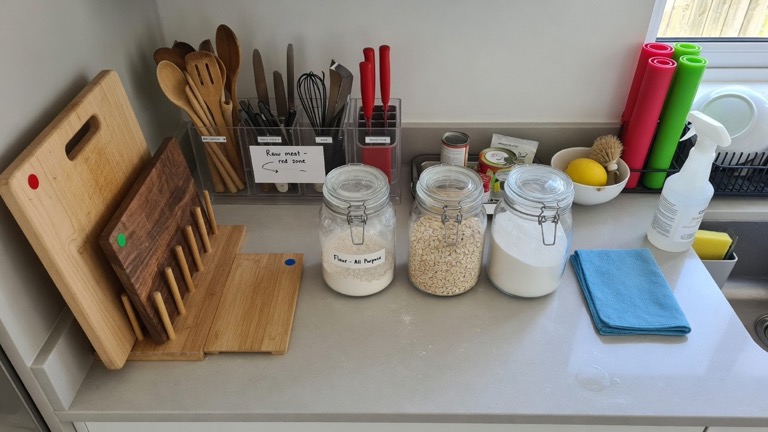
Cross-contamination is the silent villain in many GF stories. Even if a product’s ingredients are inherently gluten-free, if it’s made on the same equipment as gluten-containing items and proper cleaning protocols aren’t followed, it can pick up gluten residue. This is why a “gluten-free” certification or statement from the manufacturer is so valuable. It tells you they’ve taken steps to prevent this.
How to Be Sure: Your GF Detective Toolkit
Don’t worry, you don’t need a magnifying glass for every grocery trip! Here’s how to ensure your butter and margarine are always GF-friendly:
1. Read the Label, Every Single Time
This is your golden rule. Look for a clear “gluten-free” statement or certification. This is the clearest indication that the product is safe. If it’s not there, proceed with caution.
2. Scrutinize Ingredient Lists
Even if it doesn’t say “gluten-free,” if the ingredients are simple (cream, salt for butter; vegetable oil, water, soy lecithin, salt for margarine), it’s likely fine. But watch out for: “wheat,” “barley,” “rye,” “malt,” “brewer’s yeast.” Also be wary of vague terms like “modified food starch” (unless it specifies corn or potato), “natural flavors” (always a question mark without further clarification), or “hydrolyzed vegetable protein.”
3. Check Manufacturer Websites
When in doubt, go straight to the source. Most major food companies have excellent FAQs or allergen information sections on their websites. A quick search can often clarify a product’s gluten status, even if it’s not explicitly stated on the packaging. They often list products made on shared lines or those tested for gluten content.
4. Opt for Certified Gluten-Free Products
When you see a “Certified Gluten-Free” symbol (like from the GFCO, NSF, or others), you know that product has met stringent standards (often less than 10 or 20 ppm gluten). This is the gold standard for peace of mind.
What to Look For (and Avoid)
To make it even easier, here’s a quick cheat sheet for your next grocery run:
Generally Safe Bets (Always Check the Label!)
- Unflavored, unsalted butter (ingredients: cream, possibly salt)
- Margarines clearly labeled “Gluten-Free”
- Vegan butter alternatives explicitly marked “Gluten-Free”
Ingredients to Question or Avoid (Unless “Gluten-Free” is Stated)
| Ingredient Type | Examples to Watch For |
|---|---|
| Grains & Derivatives | Wheat, Barley, Rye, Malt, Wheat starch, Dextrin (can be wheat-derived) |
| Starches | Modified food starch (unspecified source), Hydrolyzed vegetable protein (HVP) |
| Flavorings | Natural flavors (unspecified), Artificial flavors (unspecified), Malt flavoring |
| Additives | Some emulsifiers, thickeners, or stabilizers without specified GF source |
You can see how a simple product like margarine can quickly become a minefield if you’re not paying attention. But once you know what to look for, it gets much easier.
Recommended Brands & Alternatives (Examples)
While product formulations can change, many popular brands offer safe options. For butter, most conventional brands like Kerrygold, Land O’Lakes, or store brands are generally gluten-free in their plain, unsalted, or salted varieties. Just confirm the label. For margarine, brands like Earth Balance (many varieties), Smart Balance, or Miyoko’s Kitchen (vegan butter) often explicitly label their products as gluten-free. They know their audience, and they deliver!
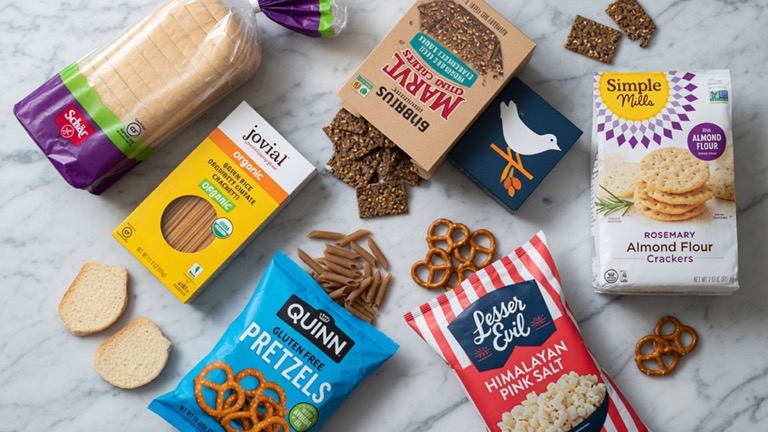
And hey, if you’re feeling adventurous or just want to try something different, there’s a whole world of gluten-free spreads out there! Think creamy avocado mash, rich olive oil, or even our favorite Healthy Gluten-Free Crackers for Cheese Boards topped with some delicious hummus. Variety is the spice of life, right?
Confident Spreading, Happy Eating!
The bottom line is this: butter is almost always GF by nature, but flavored varieties and butter blends need a closer look. Margarine is where you really need to be a label detective, scrutinizing every ingredient for hidden gluten. But with a little knowledge and a quick scan of the label, you can confidently choose the right spreads for your kitchen.
Living gluten-free isn’t about deprivation; it’s about making informed, delicious choices. So go ahead, slather that toast, grease that baking pan, and enjoy every rich, buttery, or margarine-y bite without a second thought. Your confident, joyful gluten-free journey continues, one delicious spread at a time!
Happy cooking, happy baking, and happy eating!