Exploring Gluten-Free Oat Brands: What You Need to Know (2026)

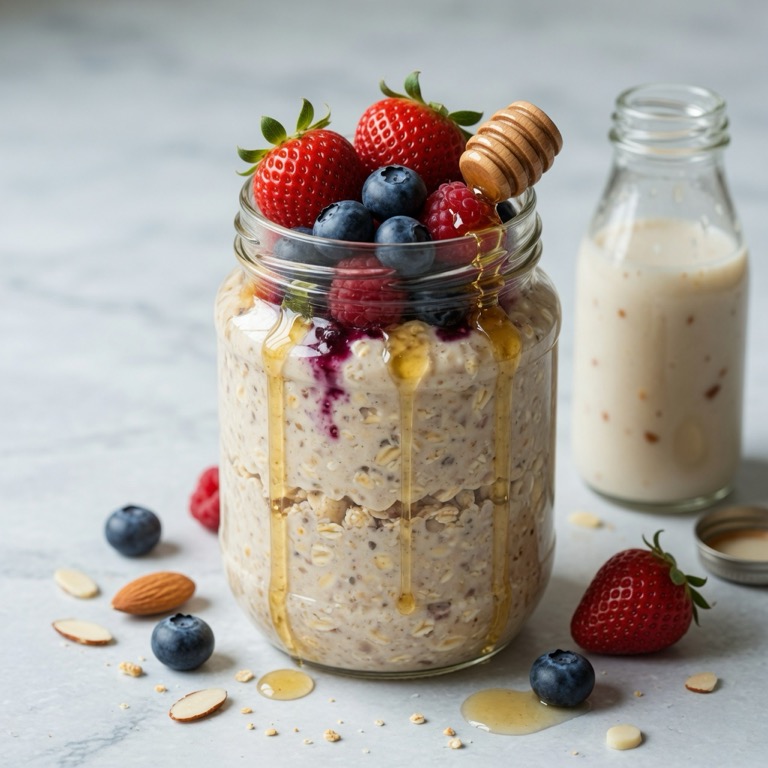
Oh, oats! They’re the cozy hug of a breakfast bowl, the chewy star of your favorite cookies, and a secret weapon in countless gluten-free recipes. For many of us living GF, oats are an absolute kitchen staple. A real powerhouse. But here’s the thing: while oats themselves are naturally gluten-free, finding truly safe GF oats can feel like navigating a maze. It’s not always straightforward.
You’ve seen the labels. Some say “gluten-free,” others “certified gluten-free,” and then there’s talk of “purity protocol” versus “mechanically sorted.” What does it all mean for your morning oatmeal or your grandmother’s famous oat cookies? Don’t stress. I’m here to break it down, make it simple, and help you pick the perfect GF oat brands for your pantry. Consider me your personal oat-whisperer. We want to enjoy all the wonderful benefits of oats without any unexpected gluten surprises. It’s all about informed choices, and finding those Gluten-Free Products & Trusted Brands that truly have your back.
The Great Oat Mystery: Are Oats Really Gluten-Free?
Here’s the truth bomb: Yes, oats are inherently gluten-free. That’s right. Oats don’t contain gluten, the protein complex found in wheat, barley, and rye. So, why all the fuss?
The problem isn’t the oat itself; it’s what happens to it on its journey from the field to your breakfast bowl. Oats are often grown in rotation with wheat or barley. They might be harvested with the same equipment, transported in the same trucks, or processed in the same facilities. This is where cross-contamination sneaks in. Just like a rogue crumb can ruin a perfectly GF dish, a few wheat kernels can make a batch of oats unsafe for someone with celiac disease or gluten sensitivity. It’s a bummer, but it’s real.
So, the critical distinction isn’t whether an oat is gluten-free, but whether it has been handled in a way that keeps it gluten-free. That’s a huge difference. Let’s dig into how companies make that happen.
Purity Protocol Oats: The Gold Standard for Many
Imagine a farmer growing oats on dedicated fields, far away from any wheat. They use clean, dedicated equipment for planting and harvesting. The oats are then transported, stored, and processed in facilities that handle only oats, or at least only gluten-free grains. This meticulous, start-to-finish approach is what we call “purity protocol” for gluten-free oats.
This method is truly the gold standard for avoiding cross-contamination. Every step is carefully controlled to ensure no stray wheat, barley, or rye makes its way into the final product. For people with celiac disease, especially those who are highly sensitive, purity protocol oats offer the highest level of assurance. They are tested rigorously to ensure they meet strict gluten-free standards. This extra care means a premium product, and often a slightly higher price point. But for peace of mind, it’s often worth every penny. You can eat your oatmeal with confidence. It’s like having a dedicated GF kitchen, just for oats!
Mechanically Sorted Oats: A Different Path to GF
Then we have “mechanically sorted” oats. This method starts with conventionally grown oats, which, as we discussed, likely have some gluten-containing grains mixed in. The magic here happens after harvest. The oats go through a specialized sorting process, using optical sorters and other technologies to identify and remove any wheat, barley, or rye grains.
This sorting process is incredibly effective. Most brands that use this method also test their oats to ensure they meet the FDA’s “gluten-free” threshold of less than 20 parts per million (ppm) of gluten. For many, this is perfectly acceptable. These oats are often more widely available and can be more budget-friendly.
However, it’s not without its critics. Some very sensitive individuals worry that mechanical sorting, while effective, might not catch every single tiny speck of gluten-containing grain. It’s a valid concern for folks who react to even minute amounts. That’s why it’s so important to know your own body and your sensitivity levels. Also, always remember to look for proper certifications, which we’ll chat about in a minute. It truly helps to understand the full picture, distinguishing between Certified Gluten-Free Brands vs. Gluten-Free Labeled: What’s the Difference?, especially when making choices about your health.
Certifications: Your Gluten-Free Detectives
How do you know if a brand is doing its due diligence? Look for the certification labels! These aren’t just pretty stickers; they represent independent third-party verification that the product meets stringent gluten-free standards.
- GFCO (Gluten-Free Certification Organization): This is a big one. Their certification mark, often a circled GF, means the product has been tested to meet a standard of 10 ppm or less of gluten. That’s twice as strict as the FDA’s 20 ppm.
- CSA (Celiac Support Association): Another excellent certification, often with a crossed-grain symbol. They also have rigorous standards for gluten-free products.
When you see these logos, you can breathe a little easier. It means someone else has done the homework for you, ensuring the product is safe. These certifications are your trust signals in the vast world of GF products.
Trusted Gluten-Free Oat Brands We Love (and How They Do It!)
Alright, let’s get to the good stuff: which brands are delivering delicious, safe gluten-free oats right now? Here are a few that stand out, catering to different needs and preferences:
Purity Protocol Superstars:
- GF Harvest: These folks are all about purity protocol. They grow their oats on dedicated farms in Wyoming and use their own dedicated equipment. Their oats are consistently excellent, making for hearty, clean-tasting oatmeal. They take their commitment seriously.
- Montana Gluten-Free: Another fantastic purity protocol brand. Based in, you guessed it, Montana, they manage their oats from seed to shelf. Their products, including oat groats and oat flour, are incredibly high quality. If you want a truly robust oat flavor and texture, give them a try. They are often recommended for those with the highest sensitivities.
- Avena Foods (NuVita): Avena Foods is a Canadian company that supplies many other brands with purity protocol oats. Their NuVita brand is often available for direct purchase. They are meticulous, offering fully traceable, high-quality purity protocol options.
Certified GF (Mechanically Sorted & Awesome):
- Bob’s Red Mill Gluten Free Rolled Oats: Bob’s is a household name, and for good reason. Many of their oat products (look for the “Gluten Free” label and the GFCO certification) are mechanically sorted and rigorously tested. They offer a fantastic texture for baking and a comforting bowl of oatmeal. They also have a purity protocol line, so always double-check the specific product.
- Quaker Gluten Free Oats: Yes, even Quaker has jumped into the GF oat game! Their GF certified rolled oats and quick 1-minute oats are mechanically sorted and tested to be under 20 ppm. They’re widely available in most grocery stores, making them a convenient option for many GF eaters. It’s great to see big brands stepping up.
- Nature’s Path Gluten Free Organic Oats: If organic is important to you, Nature’s Path offers a delicious option. Their gluten-free oats are certified and available in both rolled and quick cook varieties. They make a great base for your morning power bowls and are excellent in Delicious Gluten-Free Cookies for Every Sweet Tooth.
- One Degree Organic Foods Sprouted Rolled Oats: These oats are special. Not only are they purity protocol, but they’re also sprouted, which can make them easier to digest for some. Plus, they offer complete transparency with a QR code on every package, allowing you to trace your oats back to the farm. How cool is that?
Beyond Breakfast: Unleashing Oat Potential
Oats aren’t just for oatmeal, my friends! They are incredibly versatile. Think about all the possibilities!
- Baking Bliss: Oat flour is a fantastic GF flour substitute, adding a lovely chewiness and nutty flavor to muffins, breads, and pancakes. Try making your own from rolled oats! Just blitz them in a food processor until fine.
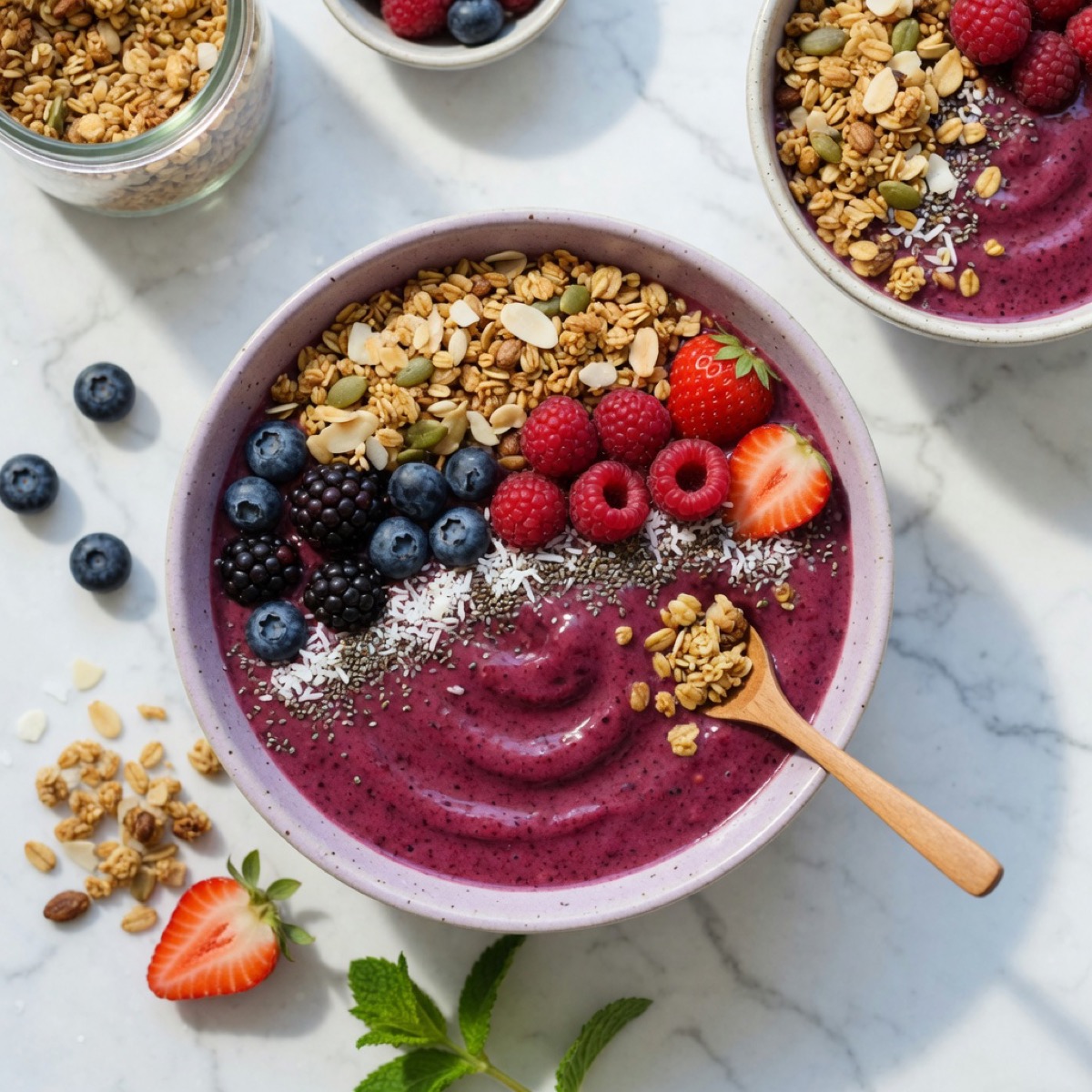
- Smoothie Power: A handful of rolled oats adds thickness, fiber, and sustained energy to your morning smoothie. No more mid-morning crashes!
- Crunchy Toppings: Sprinkle toasted oats over yogurt, fruit crisps, or even salads for a delightful texture boost.
- Savory Surprises: Yes, savory! Use oats as a binder in meatloaf or veggie burgers. They add moisture and structure.
The culinary world of gluten-free oats is vast and exciting. Experiment! Find your favorites. Your kitchen will thank you.
A Quick Note on Avenin Intolerance
Now, while most people with celiac disease or gluten sensitivity can safely enjoy certified gluten-free oats, there’s a small percentage who still experience symptoms. This isn’t due to gluten contamination. Instead, it’s a reaction to avenin, a protein found naturally in oats. It’s similar to gluten, and some bodies just don’t get along with it. It’s rare, but it happens. If you’ve tried GF oats (especially purity protocol ones) and still feel unwell, it might be worth discussing avenin intolerance with your doctor or dietitian. Knowledge is power, right?
For most of us, though, properly sourced gluten-free oats are a fantastic, nutritious addition to our diet. They pack fiber, essential vitamins, and minerals. They keep you full. They are simply good for you.
Your Journey to Oat Joy
So, there you have it. The world of gluten-free oats isn’t so mysterious after all. You’ve got options. You understand the differences between purity protocol and mechanically sorted. You know to look for those crucial certification labels. The key is to find what works best for your body, your lifestyle, and your taste buds. Start with the brands that prioritize purity if you’re very sensitive. Or grab a certified mechanically sorted option for everyday ease.
Don’t be afraid to experiment with different brands and types (rolled, quick, steel-cut). Each one brings something unique to the table. Embrace the delicious abundance that gluten-free oats offer. They’re a versatile, nourishing, and truly joyful food. So go forth, make that delicious bowl of oatmeal, bake those glorious cookies, and enjoy every GF bite. Your confident, joyful gluten-free journey continues, one amazing oat at a time!
For more detailed information on oat safety and celiac disease, you can consult Beyond Celiac, a great resource for the community. Also, the FDA’s guidelines on gluten-free labeling provide important information on the legal standards.