Raising Gluten-Free Children with Special Dietary Needs (2026)

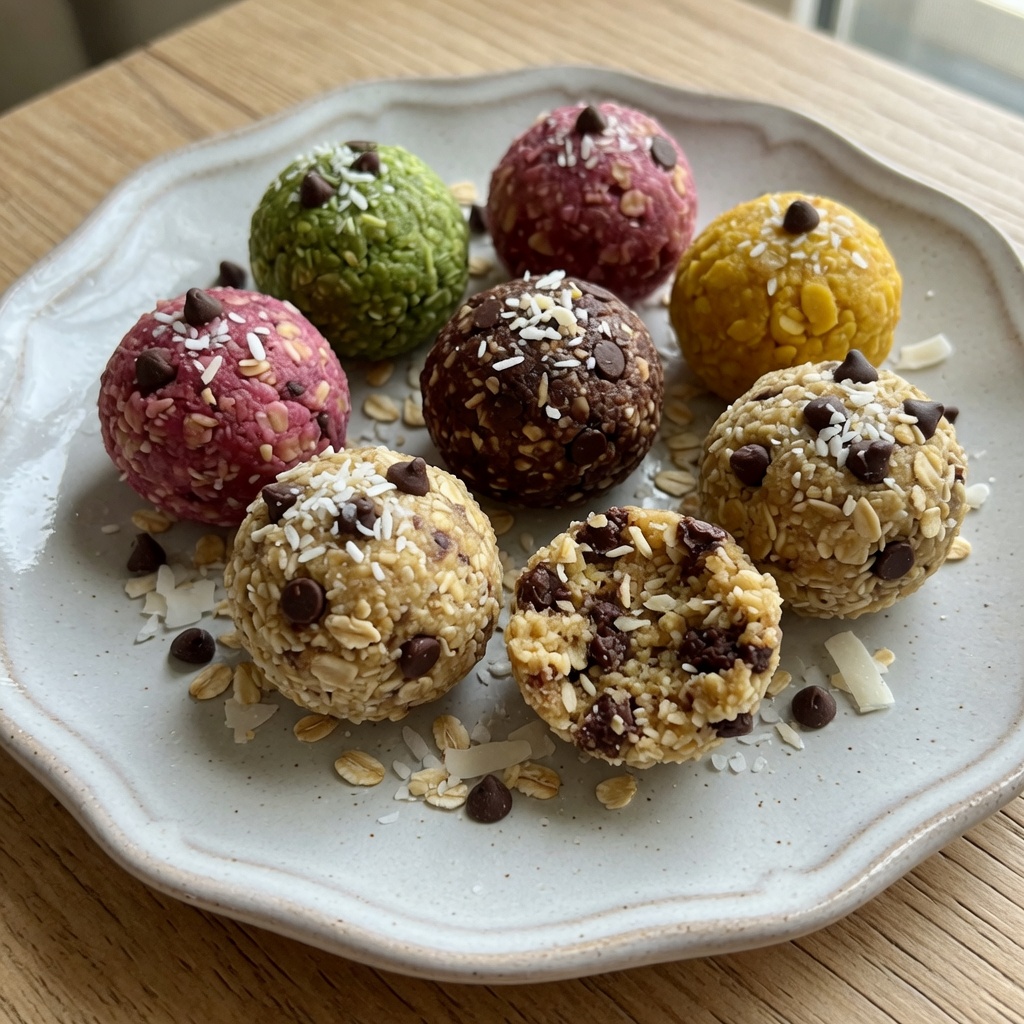
Okay, parents, let’s chat. Raising a child with a gluten-free diet? That’s already a marathon, not a sprint. But add *other* special dietary needs to the mix—maybe dairy-free, nut-free, or a host of other food sensitivities—and it can feel like you’re trying to win the Iron Chef competition every single day, blindfolded. I get it. The overwhelm is real. The worry is loud. But here’s the secret, my friend: you’ve got this. More than that, this journey doesn’t have to be about limitation. It’s a fantastic opportunity to teach your kids about amazing, wholesome foods and build a foundation for lifelong health and deliciousness. We’re talking about raising confident, joyful eaters, not just surviving mealtime battles. Think of it as a Gluten-Free for Special Dietary Needs superpower. And you? You’re the super-chef sidekick!
Decoding the “Why”: More Than Just Gluten
First things first, let’s understand what we’re dealing with. If your child has a special dietary need beyond gluten, it means their body processes certain foods differently. Maybe it’s Celiac disease, plus a dairy allergy. Or maybe it’s gluten sensitivity alongside an intolerance to corn and soy. Each child is a unique recipe, right?
Sometimes, these needs are obvious. Anaphylaxis to peanuts? No question there. Other times, the symptoms are more subtle: digestive upset, skin rashes, mood changes, or even trouble sleeping. This is where your super-parent detective skills come in handy. Working closely with a pediatric allergist, gastroenterologist, or a registered dietitian who specializes in children’s diets is absolutely non-negotiable. They are your allies, helping pinpoint exactly what’s going on so you can tailor your approach. Remember, knowledge is power when it comes to keeping those little tummies happy and healthy. Don’t guess. Test!
Your Kitchen Command Center: Mission Control for Meals
Your kitchen is about to become the safest, most delicious place on earth for your child. It needs a strategy, especially when tackling multiple restrictions. Cross-contamination is enemy number one. Gluten crumbs, stray nuts, or a splash of dairy can quickly turn a safe meal into a problem. So, let’s set up your home base:
- Dedicated Zones: Designate a shelf in the pantry and fridge specifically for your child’s safe foods. This makes grabbing snacks easier and reduces accidental mix-ups.
- Color-Coded Cutlery and Boards: Seriously! A red cutting board for all things gluten-free and allergen-free, a green one for other foods. Same with spatulas or even plates if needed. It seems simple, but it prevents costly errors.
- Toaster Tactics: Never, ever share a toaster. A separate, labeled toaster (or toaster bags) is essential for GF breads, especially if other household members eat gluten.
- Label Reading like a Pro: This is your ultimate weapon. Every single packaged food needs scrutiny. You’ll become a master at spotting hidden ingredients. Look beyond the “Contains” statement. Sometimes allergens like soy or corn starch can pop up in unexpected places, even in things marketed as “gluten-free.” A quick example: some GF bread contains soy flour. If soy is an issue for your kiddo, that’s a no-go.
It’s a lot, I know. But once you establish these habits, they become second nature. Like riding a bike, but with more delicious outcomes!
Mealtime Magic: Flavor, Fun, and Freedom
The biggest hurdle often feels like, “What *can* they eat?” Flip that script! Focus on the incredible abundance of naturally safe foods. We’re talking fresh fruits, vibrant veggies, lean proteins, and healthy fats. These are the building blocks of any healthy diet, regardless of restrictions. Plus, they are naturally gluten-free and often free of common allergens.
Simple Swaps and Creative Combinations:
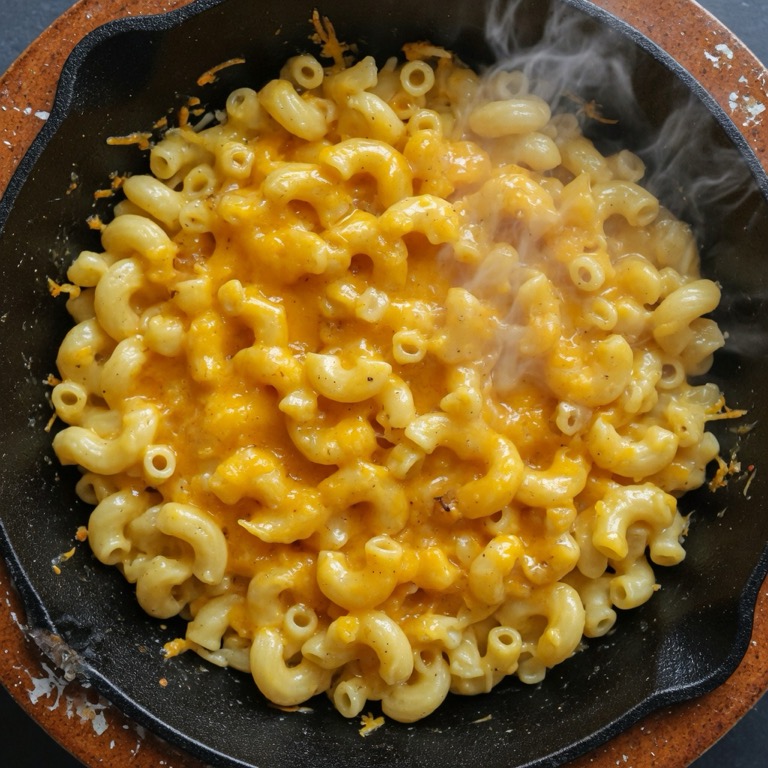
- Pasta Power: Ditch wheat pasta for corn-free, rice-based, or lentil pasta. Many brands offer great textures now. Top with a homemade sauce (no hidden dairy or gluten!) and some ground turkey.
- Bread Basics: There are so many fantastic gluten-free bread options now. Just double-check for other allergens like egg, corn, or soy. Make mini sandwiches with safe fillings, or use them for delicious GF toast.
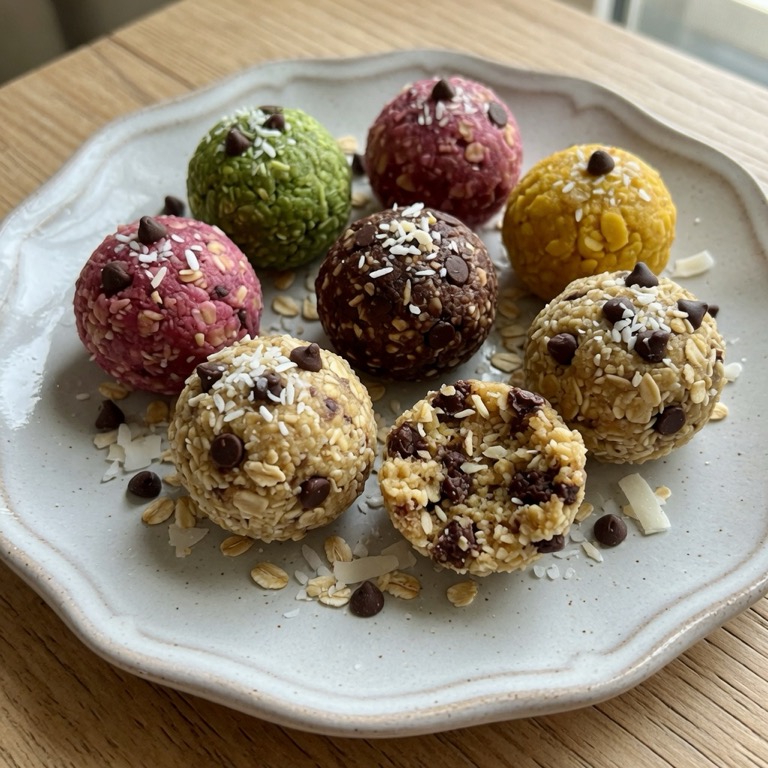
- Baking Bliss: Explore alternative flours like almond flour, tapioca flour, or even sweet potato flour. They open up a whole new world of baking. Think grain-free, dairy-free cookies, or muffins. So tasty!
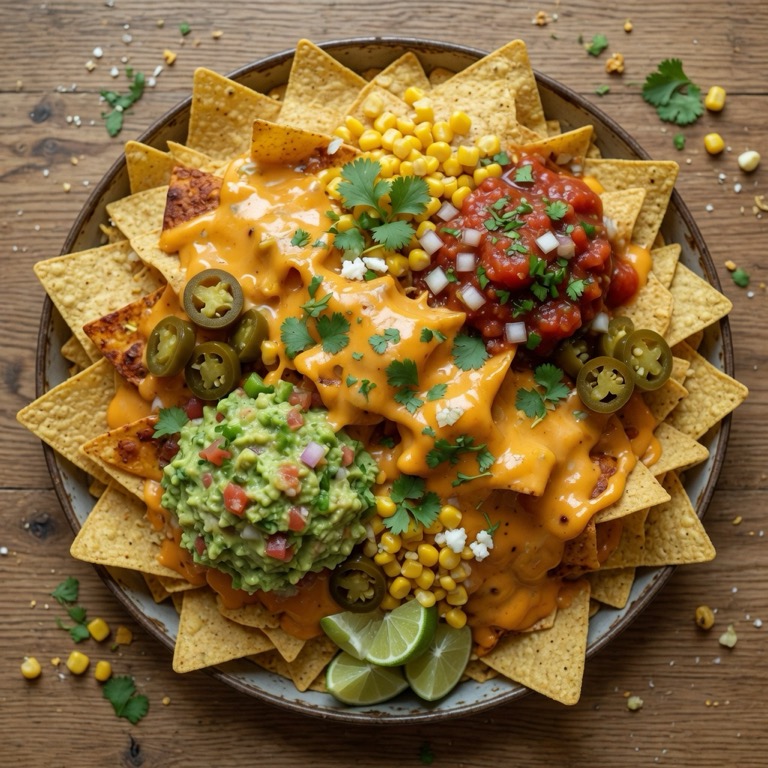
- “Build-Your-Own” Nights: This is a winner. Taco night with corn tortillas (if safe) or lettuce wraps, rice bowls, or even homemade GF pizza on a safe crust. Lay out all the safe toppings: various veggies, lean meats, beans, a safe cheese alternative (if needed), and let your kids assemble their masterpieces. They love the control, and you love that it’s all safe!
Batch cooking is another fantastic tool. Spend a few hours on a Sunday making a big pot of safe soup, baking a batch of allergy-friendly muffins, or prepping cut-up veggies and fruit. Future-you will thank past-you during those hectic weeknights.
Beyond the Home Plate: Navigating the Outside World
The world outside your kitchen can feel like a minefield. School, birthday parties, playdates—they all present unique challenges. But with a bit of planning and clear communication, your child can participate fully and safely.
School Savvy:
- Open Dialogue: Schedule a meeting with teachers, school nurses, and cafeteria staff well before the school year starts. Explain your child’s specific needs in detail. Provide a clear, written action plan for emergencies.
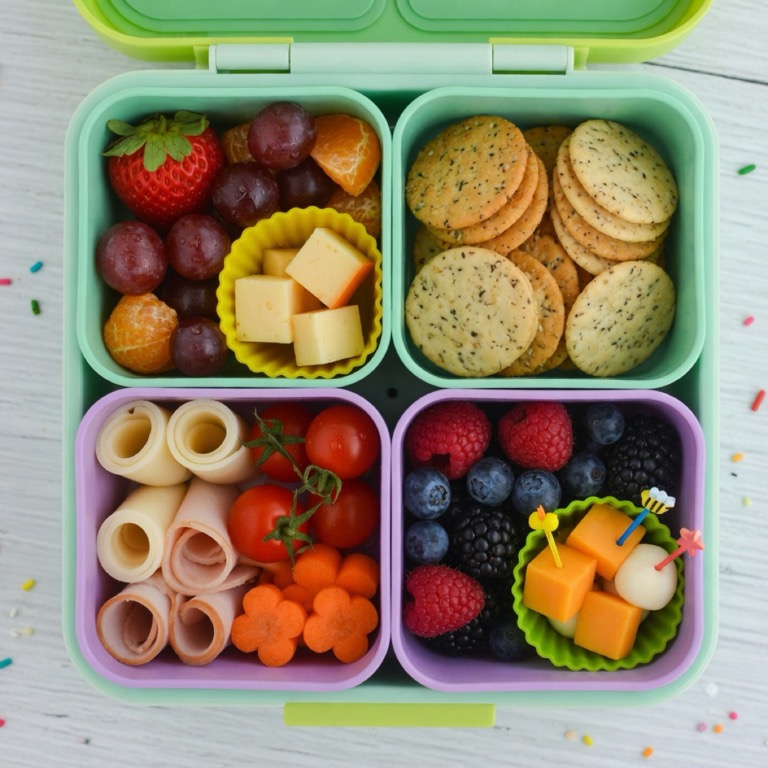
- Safe Snacks & Lunches: Pack everything. Assume nothing is safe. Send extra snacks. Seriously. Extra. Snacks.
- Emergency Kits: If your child has severe allergies (like to nuts or dairy), always ensure their emergency medication (like an EpiPen) is with them or easily accessible, and that school staff are trained to use it.
Party Protocols & Playdate Pointers:
- Proactive Communication: Before a party or playdate, talk to the host. Offer to bring a safe treat for your child (and maybe even enough to share if appropriate!). This takes the pressure off the host and ensures your child has something yummy.
- Pre-Eat if Necessary: If you’re unsure about the food situation, feed your child a good, safe meal before you go. Then, the pressure to eat everything offered is gone.
- Teaching Self-Advocacy: Start early. Teach your child, in age-appropriate ways, to ask, “Is this safe for me?” or “Does this have gluten/dairy/nuts?” Give them the power to protect themselves.
This kind of communication isn’t about being difficult; it’s about keeping your child safe and included. Most people are more than happy to help once they understand.
Building Emotional Resilience: Beyond the Plate
It’s easy to focus on the food, but the emotional side of special diets is just as important. Kids can feel “different,” left out, or frustrated. Our job is to help them feel confident and understood.
- Focus on YES: Instead of listing what they *can’t* have, highlight all the amazing foods they *can* enjoy. Frame it as having special, super-powered food choices.
- Involve Them: Let them help choose recipes, pick out safe ingredients at the store, or even assist with simple meal prep. When they have a hand in it, they feel more invested and less like victims of their diet.
- Find Your Tribe: Connect with other parents raising children with similar dietary needs. Online forums, local support groups—these communities are goldmines for shared experiences, tips, and emotional support. Sometimes, knowing you’re not alone makes all the difference.
Sustaining the Journey: Lifelong Learning & Support
This isn’t a short-term diet; it’s a lifestyle. Regular check-ups with your medical team are important. As kids grow, their needs might change, or new insights in dietary science might emerge. Staying informed is a continuous process. For example, understanding topics like Hidden Gluten in Medications: What Celiac Patients Need to Know becomes even more critical for children with multiple sensitivities, as their reactions can be more pronounced.
Remember, sometimes allergies and sensitivities can accompany other conditions. It’s not uncommon for those with Celiac disease to also manage other Gluten-Free for Autoimmune Conditions: Beyond Celiac Disease. Keeping an open dialogue with your healthcare providers about all aspects of your child’s health is key to comprehensive care.
You are your child’s best advocate. You’re teaching them invaluable lessons about listening to their bodies, making informed choices, and living a vibrant life full of delicious food. And that, my friend, is a pretty incredible superpower indeed.
For more detailed information on pediatric Celiac disease, the Celiac Disease Foundation offers excellent resources: Celiac Disease Foundation – Celiac Disease in Children.
Understanding food allergies is crucial, and the American Academy of Pediatrics provides helpful guidelines: HealthyChildren.org – Food Allergies.