Gluten Cross-Contamination in Restaurants: A Checklist for Diners (2026)

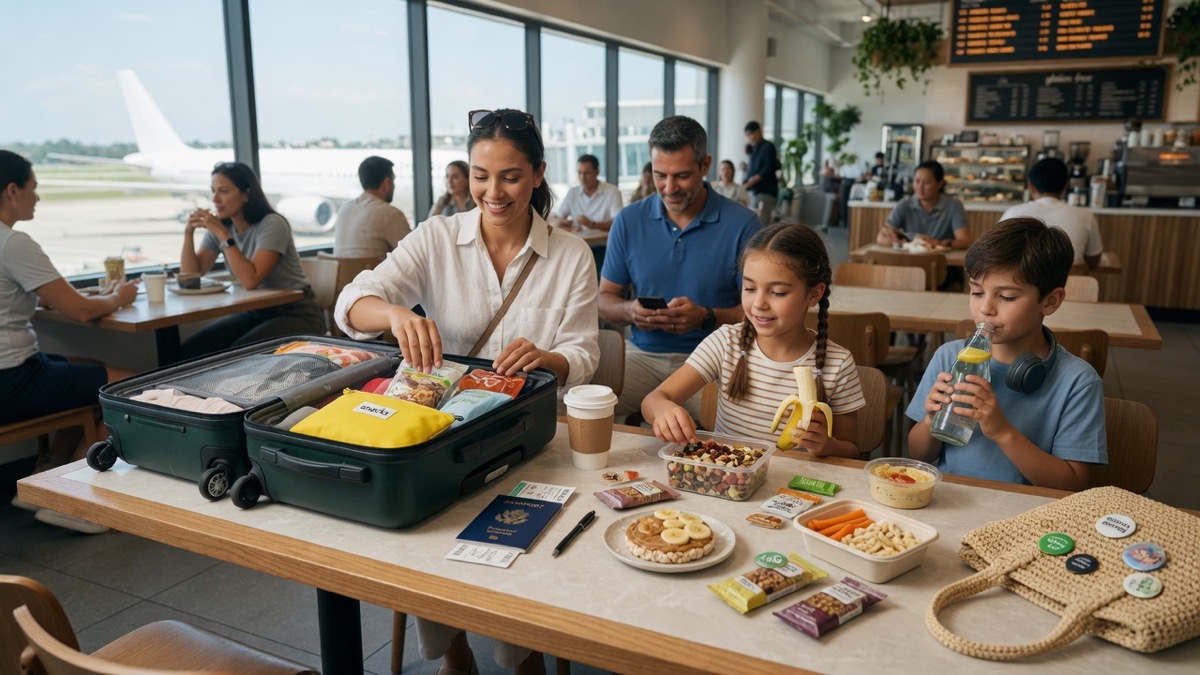
Picture this: a bustling restaurant, the aroma of delicious food filling the air, and you, ready to enjoy a fantastic meal without a single worry about gluten. Sounds like a dream, right? For us gluten-free folks, dining out can sometimes feel like navigating a culinary minefield. But here’s the good news, my friend: it doesn’t have to be!
You deserve to eat out with confidence. You deserve to savor every bite, knowing your meal is safe. That’s why we’re talking about gluten cross-contamination in restaurants today. It’s a big topic, but totally manageable. Understanding the risks is your superpower. It helps you ask the right questions and make smart choices. With a little know-how and a clear plan, you can turn dining out from a stress-fest into a celebration of safe, delicious food. And that’s what we’re all about here, isn’t it? Enjoying life, one amazing GF meal at a time. It’s all part of learning how to keep your plate safe, whether you’re at home or out on the town. You can get more insights on this by checking out our main guide on Preventing Gluten Cross-Contamination.
What Exactly is Gluten Cross-Contamination?
Let’s break it down simply. Cross-contamination happens when a gluten-free food comes into contact with gluten-containing ingredients, even in tiny amounts. Think of it like a little gluten invisible to the eye, hopping from one place to another. A few crumbs on a cutting board. A shared spoon stirring two different pots. Flour dust floating in the air and landing on your supposedly safe dish. These tiny particles, for someone with celiac disease or severe gluten sensitivity, are enough to cause a reaction. It’s a sneaky little bandit, this gluten.
For us, even a minuscule amount can cause serious issues. We’re talking digestive distress, fatigue, brain fog, and a whole host of other unwelcome symptoms. It’s not just about avoiding the obvious bread basket. It’s about understanding all the hidden ways gluten can sneak into your meal. This is where your proactive approach truly shines.
Your Gluten-Free Dining Out Checklist: Before, During, and After
Ready to become a restaurant pro? This checklist is your secret weapon. It’s practical, easy to follow, and designed to make your dining experiences joyful, not stressful.
Before You Even Leave the House: Prep is Power
- Do Your Homework (Research): This is step one for a reason. Before you even think about reservations, hit the internet. Look for restaurants that explicitly mention “gluten-free options” or “celiac-friendly.” Check their online menus. Do they have a dedicated GF section? That’s a great sign. Read reviews. Other GF diners often share their experiences, good or bad. Websites and apps dedicated to GF dining are goldmines here.
- Make That Call (The Pre-Visit Chat): Don’t just show up and hope for the best. Call the restaurant during off-peak hours (between lunch and dinner is usually ideal). Ask to speak with a manager or head chef. Explain your dietary needs clearly. “I have celiac disease, and I need to avoid all gluten, including cross-contamination.” Inquire about their kitchen practices. Do they have a separate prep area? Dedicated fryers? Special protocols for GF orders? Listen carefully to their answers. Their confidence and knowledge will tell you a lot.
- Know Your Non-Negotiables: What are your absolute must-haves for safety? For many, shared frying oil is a huge no-go. If they fry gluten-containing items (like breaded chicken or onion rings) in the same oil as your “GF” fries, that’s a cross-contamination hazard. Remember, your fries might be made from potatoes, but the oil they swim in matters. This is a big one. Seriously, if you’re curious about this specific risk, take a moment to read more about The Dangers of Shared Frying Oil: Why It’s a Gluten Cross-Contamination Risk.
When You Arrive: Speak Up, Stand Tall
- Reiterate Your Needs: Even if you called ahead, tell your server immediately about your gluten intolerance or celiac disease. Don’t just say “gluten-free,” add “due to celiac disease” or “severe gluten sensitivity.” This signals the seriousness of your request. It’s not a preference; it’s a medical necessity.
- Ask for the GF Expert: Most well-trained restaurants have someone designated to handle allergy orders. It might be a specific server, a manager, or even the chef. Ask to speak to them directly. This ensures your needs are communicated through the most knowledgeable channel.
- Verify the Process: A good question to ask is, “What steps does the kitchen take to prevent cross-contamination for celiac orders?” Listen for details like clean gloves, separate cutting boards, fresh pans, or dedicated stations. This is where your pre-call homework pays off, as you’ll know what answers to look for.
Ordering Like a Pro: Specifics Save the Day
- Read the Menu Carefully (with a critical eye): Look for natural GF options first: grilled meats, roasted vegetables, plain rice, salads (without croutons, dressing on the side). These are often safer bets. Be wary of dishes that sound too good to be true, or items like sauces and marinades, which can often contain hidden gluten.
- Question Everything (Politly, of course!):
- Sauces & Dressings: “Is this sauce thickened with flour?” “Does the salad dressing contain gluten?” Many soy sauces contain wheat, so always confirm.
- Marinades: “Is the marinade for this chicken GF?” Soy sauce is a common culprit.
- Soups: “Is this soup thickened with a roux (flour and fat)?” Many creamy soups are not GF.
- Grilled Items: “Are separate grill surfaces used for gluten-free items, or is the grill cleaned thoroughly before cooking GF food?” Grill grates can transfer gluten from bread or buns.
- Shared Appliances: “Do you use a dedicated toaster for gluten-free bread?” This is a quick win for safety, similar to why you might need to think about Toaster & Air Fryer Safety: Keeping Shared Appliances Gluten-Free even at home.
- French Fries: “Are your fries cooked in a dedicated fryer, or do they share oil with breaded items?” This one is vital for many of us.
- Cross-Contact with Bread: “Is the gluten-free bun toasted on a separate surface, or in the same toaster as regular bread?” “Will the chef use fresh gloves when assembling my sandwich?” Small details matter.
- Keep it Simple: Sometimes, the safest bet is to order the simplest version of a dish. A plain grilled chicken breast with steamed veggies is often less risky than a complex dish with multiple components and sauces. You can always ask for olive oil and lemon for flavor.
- Confirm with the Order: When your server takes your order, politely ask them to repeat it back to you, including the gluten-free modification. “So, that’s the grilled salmon, no sauce, with steamed broccoli, prepared gluten-free due to celiac disease?” This reinforces your request and allows for any last-minute clarifications.
During Your Meal: A Quick Check
- Visually Inspect Your Plate: When your food arrives, take a quick look. Does it look exactly as you expect? Are there any unexpected garnishes (like croutons) or sauces? Does it look like the “gluten” version of the dish? If you have any doubts, don’t hesitate to politely ask your server to double-check with the kitchen.
- Don’t Be Afraid to Send it Back: This is a tough one for many people, but it’s crucial for your health. If you feel uneasy about your meal, if it doesn’t look right, or if your server can’t confidently confirm its safety, it’s okay to send it back. Your health comes first. A good restaurant will understand and rectify the situation without fuss.
After the Meal: The Follow-Up
- Thank the Staff: If you had a great experience, especially with a knowledgeable server or manager, make sure to thank them! A little appreciation goes a long way and encourages them to maintain high standards for future GF diners.
- Leave a Review: Share your experience online. Positive reviews help other GF diners find safe spots. If you had a less-than-stellar experience, a constructive review can help the restaurant improve. Be specific about what went well or what could have been better regarding cross-contamination protocols.
Embrace the GF Dining Adventure!
Dining out when you’re gluten-free doesn’t have to be a source of anxiety. It’s an opportunity to discover amazing new flavors and enjoy social connections over delicious food. By being prepared, asking smart questions, and communicating clearly, you’re not just protecting yourself, you’re also helping restaurants understand and better serve the growing GF community. You’re an advocate for delicious, safe food for everyone.
So, go forth! Explore that new restaurant everyone’s talking about. Try that intriguing dish. With this checklist in hand, you’ve got the tools to dine out confidently and joyfully. You’ve got this! Happy eating!
Want to dive deeper into the science behind gluten and its effects? Check out this resource from the National Institute of Diabetes and Digestive and Kidney Diseases.
And for a broader understanding of celiac disease, including diagnosis and management, the Celiac Disease Foundation is an excellent resource.