Pet Food & Gluten: Is Your Pet’s Diet a Risk for Cross-Contamination? (2026)

You know how much I love sharing a meal with friends, making sure everyone feels safe and celebrated around the table. It’s all about that GF joy, right? But what about our four-legged family members? Our furry pals, with their wagging tails, happy purrs, and endless capacity for cuddles, are just as much a part of our home as our favorite gluten-free sourdough or that amazing GF pizza night. And guess what? Their dinner, just like ours, can sometimes hide a gluten surprise. It’s a topic often overlooked, yet super important for those of us navigating the gluten-free world, especially when celiac disease or severe gluten sensitivity is in the picture.
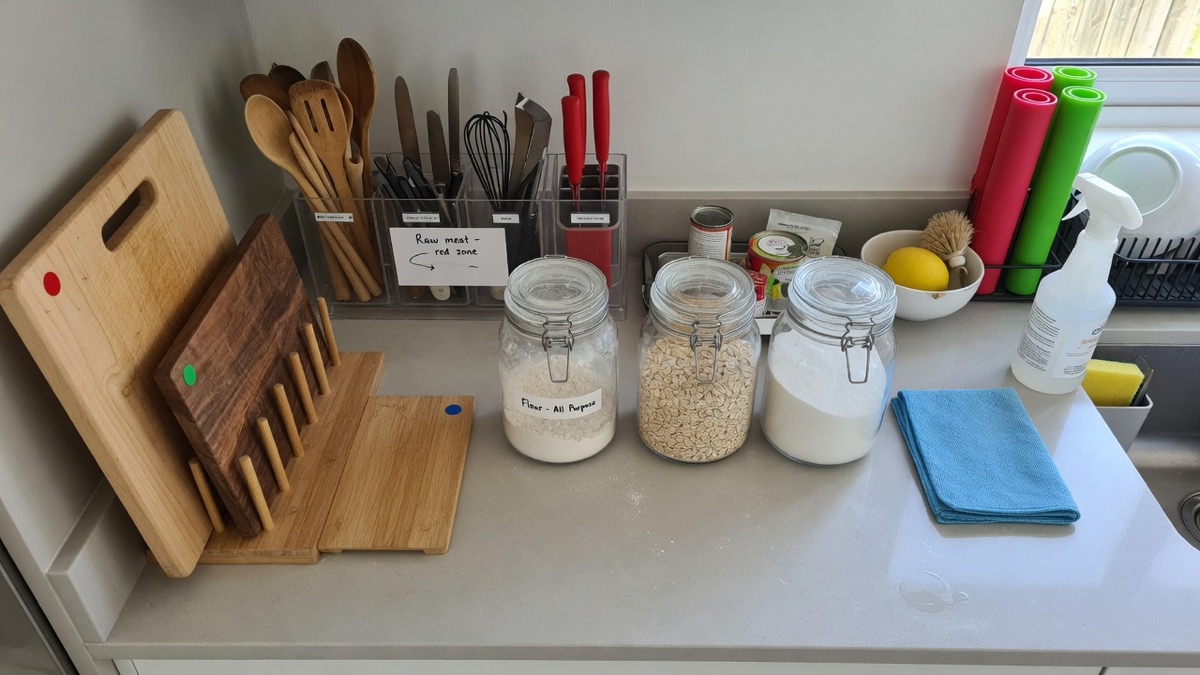
We talk a lot about preventing gluten cross-contamination in our kitchens, from dedicated cutting boards to sparkling clean counters. But let’s chat about extending that watchful eye to our pets’ bowls. Because, believe it or not, Fido’s kibble or Fluffy’s wet food could be a silent culprit, creating gluten mischief right under your nose. It’s not about fear; it’s about smart, informed choices for a truly safe home. Let’s unravel this tasty (for them, not us!) mystery together.
Why Pet Food Often Contains Gluten (and Why It’s a Big Deal for Us)
Alright, let’s get down to brass tacks. Why would our pets’ chow even have gluten? Well, just like in human processed foods, wheat, barley, and rye are often used as cheap fillers, binders, and protein sources in pet food. These grains help create those crunchy kibbles, hold wet food together, and basically bulk things up. They’re readily available and cost-effective for manufacturers. From a nutritional standpoint for pets, these grains often provide digestible carbohydrates and fiber, which is why they’ve been a staple for decades. But for us, that’s where the complication kicks in.
Now, if you don’t have celiac disease or a serious gluten sensitivity, this might seem like no big deal. ‘It’s just pet food!’ you might think. But for us, it’s a completely different story. Think about it: you scoop out their food, maybe share a cuddle right after, or they leave a trail of crumbs. Maybe your pet gets excited and rubs their face against your leg after a meal. Suddenly, your perfectly GF kitchen or your clean hands aren’t quite as safe as you thought. We’re talking about tiny particles, often invisible to the naked eye, that can easily transfer and cause big problems. Even a speck, a few milligrams, is enough to trigger a reaction for someone with celiac disease. It’s a microscopic world, but its impact is mighty.
The Sneaky Ways Gluten Jumps from Pet to Person
So, how does this gluten make its way from their bowl to our plates (or, you know, our mouths)? It’s simpler than you might imagine, and it’s usually by accidental contact. Think of it like a mischievous little crumb ninja. It truly is amazing how easily gluten can travel.
- Handling Pet Food: You pour the kibble, you scoop the wet food, you open a treat bag. Those dusty particles or sticky residues cling to your hands. If you don’t wash up immediately and thoroughly, you could touch a counter, your phone, or even grab a GF snack. Oops. It’s a common scenario, and easy to overlook in the hustle of daily life.
- Shared Surfaces: Pet food bowls often sit on the floor, perhaps near your kitchen or dining area. When pets eat, crumbs can scatter, especially with enthusiastic eaters. They might even track bits of food around the house on their paws. Those seemingly innocent floor crumbs become airborne or get transferred when you bend down to clean or play.
- Pet Kisses and Cuddles: We all adore a sloppy dog kiss or a gentle head rub from a purring cat. It’s pure love! But if your pet just finished a gluten-containing meal or treat, guess what’s lingering on their muzzle, paws, or fur? You get a big, loving lick, and suddenly, you’ve got gluten on your face. A swift face wash is a good idea in these instances.
- Pet Treats: Many, many pet treats are loaded with wheat or other glutinous grains. Think about how you handle those little crunchy bones or chewy sticks, then how you might grab your own GF cookie from a jar. It’s a prime transfer opportunity. Storage, handling, and post-treat handwashing are crucial.
- Shared Cleaning Tools: If you use the same sponge, dishcloth, or even dish brush to wash your pet’s bowls and your own human dishes, you’re essentially spreading gluten around. This is a common oversight that can lead to persistent cross-contamination. Dedicated tools are a must.
It’s not about being afraid of your beloved pet, not at all! It’s about being smart and proactive, just like we are when we navigate gluten cross-contamination in restaurants. Our goal is to live joyfully and safely, with all our family members.
Identifying Gluten-Containing Ingredients in Pet Food
Navigating pet food labels can feel like deciphering ancient scrolls, but don’t sweat it. Once you know what to look for, it gets much easier. Here are some common gluten culprits to watch for:
- Wheat, Wheat Flour, Wheat Germ, Wheat Gluten: These are the most obvious and common. Any form of wheat is a hard no.
- Barley: Often found in ‘grain-inclusive’ formulas. Remember, barley contains gluten, so it’s off-limits.
- Rye: Less common in pet food than wheat or barley, but still a definite no-go.
- Oats (unless certified GF): Just like for us, conventional oats can be cross-contaminated with wheat, barley, or rye during farming or processing. If oats are listed, ensure they’re explicitly certified gluten-free.
- Brewer’s Yeast: This one is tricky. It’s often a byproduct of beer brewing, which primarily uses barley. This makes it a potential source of gluten. Some brands specify “gluten-free brewer’s yeast,” but if not, always assume it’s risky and avoid.
- Malt or Malt Extract: Derived from barley, so definitely steer clear. Any ingredient with “malt” in its name should raise a red flag.
And here’s a crucial point that trips up many: ‘grain-free’ does NOT automatically mean ‘gluten-free.’ Many grain-free foods replace grains with ingredients like potatoes, peas, lentils, or tapioca, which are naturally GF. That’s a good start! However, without a specific ‘gluten-free’ certification, cross-contamination during sourcing, milling, or processing is still a very real possibility. Think about how many human foods are naturally GF (like rice or corn), but then get processed on shared lines or facilities that also handle wheat. Same idea here. Always look for that explicit GF claim or certification.
Choosing a Safer Pet Food: Going Gluten-Free for Fido and Fluffy
So, what’s a loving, gluten-sensitive pet parent to do? The answer, my friend, is to embrace the GF pet food revolution! Yes, it’s a thing, and it’s a wonderful, growing trend. Here’s how to choose wisely:
- Look for Certified Gluten-Free Labels: This is your gold standard. If a pet food product carries a certified GF seal from a reputable organization, it means it meets strict standards for gluten content (typically less than 20 parts per million, just like our food). This is the safest bet for minimizing risk.
- Read Ingredient Lists Like a Hawk: Even without a certification, you can find foods that naturally avoid gluten ingredients. Just ensure none of the culprits we listed above are present. Focus on whole-food ingredients like meat, fish, vegetables, and naturally GF starches.
- Contact the Manufacturer: If you’re unsure about a brand’s practices, especially concerning cross-contamination, reach out! Call their customer service line or send an email. Ask about their processing practices, shared lines, and whether they test for gluten. Many companies are transparent about this.
- Consider Specialty Diets: Some fresh pet food delivery services or raw food options are inherently gluten-free, often focusing on whole, unprocessed ingredients. These can be great options, but always double-check their claims and processes. Make sure they clearly state “gluten-free” if that’s your goal. For more on pet nutrition generally, sites like Tufts University’s Cummings School of Veterinary Medicine Petfoodology blog offer excellent, evidence-based insights.
Remember, every brand is different. Just because one flavor of a certain brand is GF, doesn’t mean all of them are. Be diligent and read every label, every time! It’s like being a detective for delicious safety.
Ninja Moves for Preventing Pet Food Cross-Contamination
Now, even if your pet is on a certified GF diet (which is awesome!), prevention is always key. And if transitioning your pet’s food isn’t feasible right now (we get it, changes can be tough for pets and wallets!), these steps become even more important. Think of these as your gluten-fighting arsenal, your secret weapons against those sneaky crumbs:
- Dedicated Storage: Keep your pet’s food in a sealed, designated container, away from your own GF pantry items. A separate cabinet, a utility room, or even a garage can be a good spot. Out of sight, out of mind, and out of cross-contamination range.
- Separate Scoops and Bowls: Have a scoop just for pet food. Their food bowls should be washed with their own sponge or brush, or in a dishwasher (if you use one, run them separately or on a completely different rack than your dishes). Never mix and match! This simple step makes a huge difference.
- Handwashing is Your Superpower: After every single time you handle pet food, pet treats, or even pet toys that might have food residue, wash your hands thoroughly with soap and water. Seriously, this is non-negotiable. It’s your first and best line of defense.
- Designated Feeding Area: Try to feed your pet in an area that’s easy to clean, preferably not directly in your main kitchen space. A laundry room, a tiled corner, or a spot with a washable mat works wonders. Clean up crumbs immediately after they eat.
- Pet Kisses (The GF Way): This might sound intense, but hear me out. If your pet eats gluten-containing food, consider wiping their muzzle with a damp cloth after they eat. Or, embrace the forehead kiss! We want all the love, none of the gluten.
- Treat Smart: Opt for GF pet treats whenever possible. If using conventional ones, handle them with extreme care and wash hands right away. Store them in a separate, clearly labeled container.
- Clean Surfaces Regularly: Wipe down floors and counters near pet eating areas with a dedicated cloth or paper towels. Don’t let crumbs linger!
- Shared Appliances (Carefully): Just like with our own toaster and air fryer safety, if your pet’s treats ever go into your oven, make sure it’s a separate, well-cleaned space or use parchment paper. Honestly, best to avoid this entirely if possible, but if you must, be meticulous.
Beyond the Bowl: Other Pet-Related Gluten Risks
Hold up, it’s not just about the kibble! Gluten can show up in other pet products too. It’s a bit like checking your personal care products for hidden gluten; you have to think beyond the obvious.
- Chew Toys: Some edible chew toys, dental chews, or even rawhides can contain wheat or other grains as binders or flavor enhancers. Always check the ingredients list before bringing them home.
- Medications: Believe it or not, some pet medications or supplements might use gluten as a binder or filler. If you’re concerned about a prescription or over-the-counter pet medicine, ask your vet or pharmacist. They can often provide a gluten-free alternative or confirm ingredients. The FDA’s Animal & Veterinary section has more general information about pet food ingredients, though specific gluten content in meds is best checked with a vet.
- Pet Shampoos and Grooming Products: While less of a cross-contamination risk for eating, if you have very sensitive skin or dermatitis, some pet shampoos might contain wheat proteins (like hydrolyzed wheat protein). Not ideal if you’re washing your pet and touching these ingredients. Again, check labels if this is a concern for you.
It’s all about awareness, isn’t it? A quick check of labels for anything ingested or handled often makes a world of difference in maintaining your GF sanctuary.
Living Your Best GF Life with Your Furry Best Friend
Managing gluten exposure from pet food might feel like one more thing to add to your already full list. But honestly, it’s just another layer of thoughtful, mindful living. It’s about creating a safe, joyous home for everyone, two-legged and four-legged alike. And trust me, it’s completely manageable!
By choosing gluten-free options for your pets, or by implementing smart, simple handling and cleaning practices, you’re not just protecting yourself; you’re making informed choices for your whole family’s well-being. Our GF lifestyle isn’t about restriction; it’s about abundance, safety, and pure deliciousness (for us!) and health (for them!). So go ahead, snuggle your furry friend close, confident that you’re doing your absolute best for a happy, healthy, and wonderfully gluten-free home. You got this, my friend!