Decoding Gluten-Free Labels: A Supermarket Shopping Guide (2026)

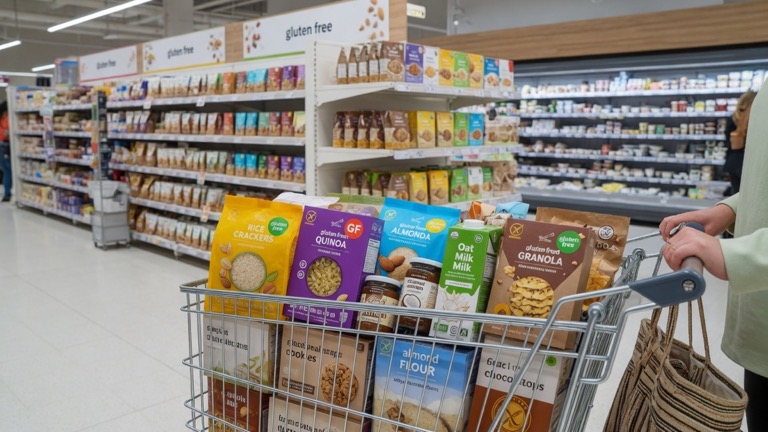
Stepping into the grocery store when you’re eating gluten-free can feel a bit like cracking a secret code. You want to grab a quick snack, but suddenly you’re staring down a wall of labels, ingredients dancing before your eyes. Wheat here, malt there, maybe a question mark floating over “natural flavors.” Sound familiar? It’s okay. We’ve all been there, pushing our carts with a mix of hope and mild panic.
But here’s the good news: Shopping GF doesn’t have to be a scavenger hunt or a science experiment gone wrong. In fact, it’s an incredible opportunity to discover new favorites and feel amazing. You just need a solid game plan, and a friendly guide (that’s me!) to help you decipher those labels like a seasoned pro. Consider this your supermarket compass, pointing you towards delicious, safe eats. And trust me, once you get the hang of it, you’ll breeze through those aisles with confidence, making every shopping trip a joyful adventure in abundance. This skill is truly a game-changer for Living Gluten-Free: Lifestyle & Travel, transforming everyday tasks into easy wins.
The “Certified Gluten-Free” Gold Standard
Let’s start with your golden ticket, the most straightforward signal that a product is safe: the “Certified Gluten-Free” label. When you see this, you can exhale. Seriously, take a deep breath.
What does “certified” really mean? It means a product has been tested and verified by an independent third party to contain less than 20 parts per million (ppm) of gluten. That 20 ppm number isn’t just pulled from thin air. It’s the standard set by regulatory bodies in many countries, including the U.S. Food and Drug Administration (FDA). Think of it like this: if you have a million grains of sand, fewer than 20 of them can be gluten. That’s an incredibly tiny amount, generally considered safe for those with celiac disease or gluten sensitivity.
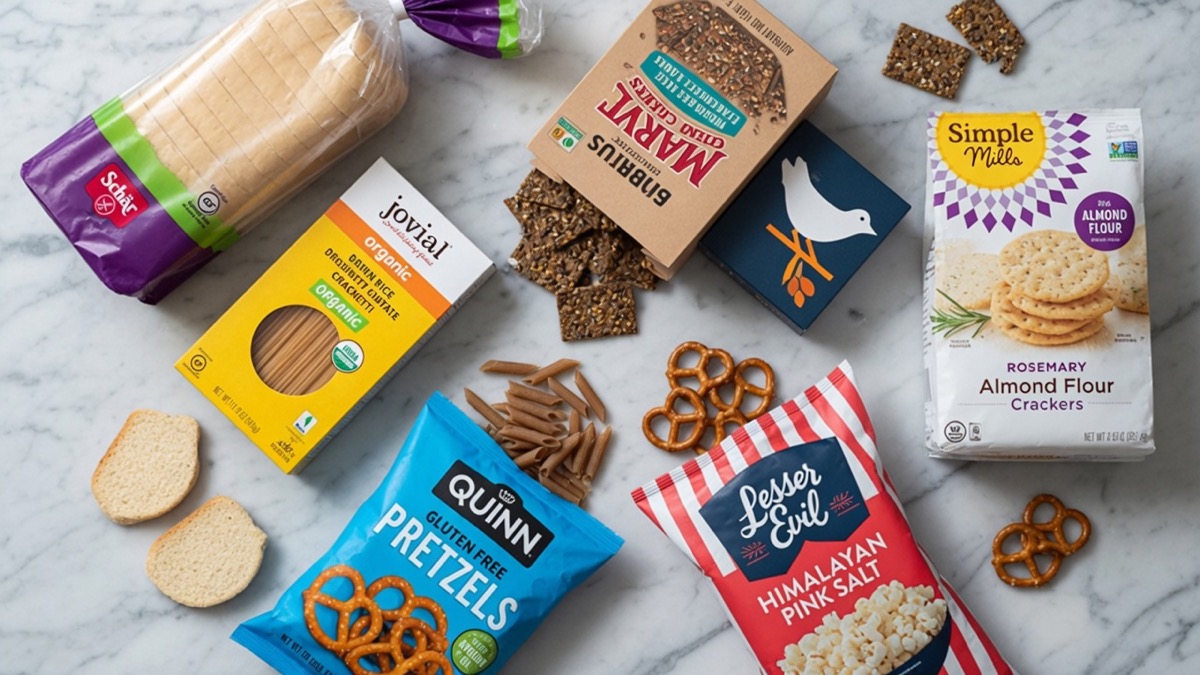
Several organizations offer this certification, each with their own specific seal. You might spot seals from the Gluten-Free Certification Organization (GFCO), NSF, or others. They all mean the same thing: strict testing, strict standards. It’s a fantastic shortcut, especially when you’re in a hurry or trying a new brand. Grab it. Enjoy it.
Understanding “Gluten-Free” vs. “No Gluten Ingredients”
Now, things get a little trickier, but still totally manageable. Not every safe product carries a third-party certification. You’ll also see products simply labeled “Gluten-Free” (without the “certified” part) or sometimes just a declaration like “made with no gluten-containing ingredients.”
The FDA’s rule states that any product labeled “Gluten-Free” must also meet that less than 20 ppm standard. So, if a company puts “Gluten-Free” on their packaging, they are legally affirming it meets the criteria, even if they haven’t paid a third party to certify it.
But what about “made with no gluten ingredients”? This one requires a tiny bit more caution. It usually means the manufacturer hasn’t intentionally added wheat, barley, or rye. However, it doesn’t always guarantee protection against cross-contact (also known as cross-contamination) during processing. A facility making both gluten and GF products might not have the stringent protocols of a certified GF facility. For most people with gluten sensitivity, this might be perfectly fine. For someone with celiac disease, this is where you start doing a little more digging, perhaps checking the brand’s website or reaching out to them directly.
Become a Label Detective: Your Ingredient List Checklist
Okay, let’s put on our detective hats. Even with certifications, sometimes you just need to read the full ingredient list. This is particularly true for products that aren’t explicitly labeled GF, but *are* naturally gluten-free or those you’re evaluating for potential hidden gluten.
Here’s your essential checklist of what to watch out for:
* **The Big Three:** Always scan for **wheat, barley, and rye**. These are the obvious culprits. Wheat can hide as “spelt,” “farro,” “durum,” “semolina,” “einkorn,” or “kamut.”
* **Malt Magic (and Misery):** Malt is almost always derived from barley. Think **malt extract, malt syrup, malt vinegar, malt flavoring, malted milk**. If you see “malt,” steer clear unless it specifies “rice malt” or another explicitly GF source.
* **Brewer’s Yeast:** Often a byproduct of beer making, so it usually contains gluten.
* **Oats (The Tricky One):** Oats themselves are naturally gluten-free. But, they are often processed on equipment shared with wheat, causing cross-contact. So, only buy oats specifically labeled “certified gluten-free” or “purity protocol oats.” We’ll talk more about that in a bit!
* **Soy Sauce:** Traditional soy sauce contains wheat. Look for “tamari” which is usually GF (but always double-check the label!).
* **Modified Food Starch/Dextrin:** These can sometimes be derived from wheat. Reputable GF brands will specify the source (e.g., “modified corn starch”). If it just says “modified food starch” and the product isn’t labeled GF, be wary.
* **Natural Flavors/Spices:** This is a tricky category. Sometimes gluten can hide here, especially in spice blends or flavorings for things like chips or processed snacks. For a product not labeled GF, this is a red flag. If it’s a certified GF product, you can generally trust that these flavors are also GF.
* **Hydrolyzed Vegetable Protein (HVP):** Can sometimes contain wheat. Again, if not GF labeled, proceed with caution.
Remember, the goal isn’t fear, but knowledge! You’re becoming an informed consumer, ready to make choices that make your body happy.
“May Contain” Statements: What’s the Deal?
You’ve seen them: “May contain wheat,” “Processed in a facility that also processes wheat.” These are voluntary advisory statements from manufacturers, not regulated by the FDA. They’re basically a company’s way of saying, “Hey, we tried, but we can’t guarantee zero cross-contact.”
For someone with celiac disease or severe gluten sensitivity, these statements are usually a firm “no.” It means the risk, however small, is still there. For others with milder sensitivities, it might be a judgment call. Personally, I tend to skip them and find a product with a clearer GF label. There are so many amazing, truly safe options out there, why take the risk?
The Power of Naturally Gluten-Free Foods
Let’s shift gears and focus on the incredible abundance that’s naturally GF! This is where the real deliciousness lives.
Think about it:
* **Fresh Fruits and Vegetables:** Nature’s candy and fuel. Always GF. Load up!
* **Unprocessed Meats, Poultry, Fish, Eggs:** Pure protein power. Just watch out for marinades or breading.
* **Legumes:** Beans, lentils, chickpeas. Fiber-rich, protein-packed.
* **Nuts and Seeds:** Snack heroes. Roasted, raw, buttered. Just ensure they haven’t been processed with gluten-containing coatings or on shared lines (especially relevant for bulk bins).
* **Certain Grains and Pseudograins:** Quinoa, rice (all kinds!), corn, millet, buckwheat, sorghum, teff. These are your pantry staples, versatile and wonderful.
When you fill your cart with these whole, unprocessed items, you barely need to read a label. This is shopping at its easiest, and often, its healthiest. It’s a powerful way to Organizing Your Gluten-Free Kitchen: Pantry & Prep Tips from the ground up, ensuring a safe and tasty experience every day.
A Quick Word on GF Oats
Since oats are such a fantastic, versatile food, it’s worth a quick refresher. As mentioned, pure oats are GF. The problem lies in conventional farming and processing. Wheat is often grown in rotation with oats, or processed on the same equipment. This leads to cross-contact.
To ensure your oats are safe, always buy ones specifically labeled “certified gluten-free.” Some brands take it a step further with “purity protocol” oats. This means the oats are grown in dedicated GF fields, harvested with dedicated GF equipment, and processed in dedicated GF facilities. For many, this offers an extra layer of peace of mind. Both “certified GF” and “purity protocol” oats are excellent choices for oatmeal, baking, and more. For further reading on this topic, you can check out resources from organizations like the Celiac Disease Foundation.
Smart Shopping Strategies for Your GF Journey
Beyond the labels, a few simple strategies can make your GF grocery trips smoother and more fun:
1. **Plan Your Trip:** Make a list! Knowing what you need helps you avoid impulse buys that might not be safe.
2. **Shop the Perimeter First:** Most grocery stores place fresh produce, meats, dairy, and eggs (all naturally GF!) around the outer edges. Fill your cart with these before diving into the inner aisles where processed foods and label-reading become critical.
3. **Read Labels, Every Time:** Seriously, *every time*. Formulations change. Brands update ingredients. Don’t assume. A quick scan prevents an accidental gluten exposure.
4. **Discover Your Go-To Brands:** Once you find GF products and brands you love and trust, stick with them. This builds confidence and speeds up your shopping.
5. **Don’t Be Afraid to Ask:** If you’re at a deli counter or a store with fresh-made items, don’t hesitate to ask about ingredients or cross-contact procedures. Knowledge is power!
6. **Embrace New Ingredients:** Shopping GF opens up a whole world of new flours (almond, tapioca, rice, sorghum!), grains, and products. Get curious! Try something new each week.
Knowing how to read labels correctly is a fundamental skill that will serve you well, not just for your own kitchen but also when packing Gluten-Free at Work: Lunch Ideas, Office Parties & Travel. You’ll be the expert, no problem!
Your Confident GF Shopping Cart Awaits!
Navigating the supermarket as a gluten-free eater might seem daunting at first. But with a little knowledge, you’re not just shopping; you’re on a mission to find delicious, safe food that makes you feel incredible. You’ve got the tools now: understand the certifications, read those ingredient lists like a pro, and remember the bounty of naturally GF foods available to you.
Every trip to the grocery store is a chance to celebrate the delicious possibilities of a gluten-free life. So, go forth, savvy shopper! Fill your cart with confidence, joy, and a whole lot of tasty GF goodness. You’ve got this! For more tips on living your best GF life, including managing the social side of things, check out insights from organizations like the Beyond Celiac foundation.