Boosting Fertility: The Potential Role of a Gluten-Free Diet (2026)


Dreaming of starting a family? It’s a beautiful journey. And just like nurturing a tiny seed to grow into a vibrant plant, our bodies need the right environment, the right nutrients, and the right care to create new life. Sometimes, that journey hits a few bumps. We all want to feel our absolute best when preparing for such a significant chapter. You’re probably already thinking about healthy habits, good food, and managing stress. But have you ever considered if gluten might be playing a role in your fertility picture?
You know me. I’m all about feeling amazing and eating delicious food without the gluten drama. And while I’m definitely not a medical doctor (please, always talk to your healthcare provider for personalized advice), I’ve seen firsthand how a gluten-free lifestyle can truly transform health. We’re going to explore some fascinating connections today. It’s about giving your body the best possible chance to thrive, because when you feel good, everything else just clicks into place. It’s part of a bigger conversation about your Health Benefits of a Gluten-Free Diet.
The Uninvited Guest: How Inflammation Can Affect Fertility
Let’s talk about inflammation. It’s one of those buzzwords, but it’s super important, especially when we’re thinking about fertility. Think of inflammation as your body’s alarm system. When something’s wrong, like a cut or an infection, the alarm goes off. That’s good! It helps you heal. But what if the alarm just kept ringing, all the time, even when there’s no immediate threat? That’s chronic inflammation. It’s like a constant low-grade fire inside your body. Not exactly ideal conditions for conception, right?
For many people, gluten can be a major trigger for this chronic inflammation. This isn’t just about Celiac Disease (though that’s a big one). Even if you don’t have Celiac, you might have non-Celiac gluten sensitivity (NCGS). Your body sees gluten as an intruder, an enemy. So, it sends out its army of inflammatory cells. These cells, while meaning well, can actually damage healthy tissues over time. And guess what? Your reproductive organs are not immune to this widespread inflammation. A body constantly in “fight mode” isn’t exactly set up for “baby-making mode.”
Hormonal Harmony: The Delicate Dance of Fertility
Our hormones are like a perfectly choreographed dance. Everything needs to be in sync for fertility to happen smoothly. Estrogen, progesterone, testosterone (yes, women have it too!), thyroid hormones, and more. They all play a part. But when inflammation is high, this delicate dance can get thrown off. It’s like someone keeps tripping the lead dancer.
Inflammation can directly interfere with hormone production and balance. For example, some studies suggest a link between gluten sensitivity and thyroid issues. Your thyroid gland, that little butterfly-shaped organ in your neck, is a maestro for your metabolism and hormones. An underactive or overactive thyroid can significantly impact ovulation and overall fertility. Also, conditions like Polycystic Ovary Syndrome (PCOS) and endometriosis, both of which can impact fertility, often have an inflammatory component. Many women with PCOS report improvements in their symptoms (and sometimes, their fertility outcomes) by adopting a gluten-free diet. It’s not a magic bullet for everyone, but it’s certainly a piece of the puzzle worth considering.
Fueling the Future: Nutrient Absorption Matters
Building a new human is an incredible feat of biology, and it demands a lot of nutrients. Think of it like building a house. You need good quality bricks, sturdy timber, strong foundations. Your body needs folate, iron, zinc, B vitamins, and healthy fats. But what if your gut, which is responsible for absorbing all these essential “building blocks,” isn’t working at its best?
For people sensitive to gluten, consuming it can damage the lining of the small intestine. We’re talking about those tiny, finger-like projections called villi. They’re usually super efficient at grabbing nutrients from your food. But when they get flattened or inflamed by gluten, it’s like trying to drink water with a straw that’s all crimped. You just don’t get enough. This can lead to nutrient deficiencies, even if you’re eating a seemingly healthy diet. Folate, for example, is critical for healthy fetal development. Iron deficiency can affect ovulation. Zinc is important for egg quality. If your gut is struggling with gluten, your body might not be getting the full arsenal of nutrients it needs for optimal fertility. Switching to GF allows that gut lining to heal, making sure you’re truly absorbing all those wonderful vitamins and minerals from your food. Your gut is ready to do its job again. It’s like giving your garden bed the richest soil so everything can grow beautifully.
Specific Conditions and the Gluten Connection
Celiac Disease and Infertility
This is where the link is strongest and most established. Celiac disease is an autoimmune condition where eating gluten triggers an immune response that damages the small intestine. This damage can lead to widespread inflammation and severe nutrient malabsorption. Studies consistently show that women with undiagnosed or untreated Celiac disease have higher rates of infertility, recurrent miscarriage, and other pregnancy complications. Going strictly gluten-free can often resolve these issues and significantly improve fertility outcomes. It’s a powerful example of how diet directly impacts reproductive health.
Non-Celiac Gluten Sensitivity (NCGS)
This is trickier, as it’s not as easily diagnosed as Celiac disease. But a growing body of evidence suggests NCGS can also contribute to inflammation and gut issues that may indirectly affect fertility. The symptoms can be varied, including digestive upset, fatigue, skin problems (like those we discuss when talking about Improving Skin Health: Gluten-Free Solutions for Eczema and Acne), and brain fog. If you suspect gluten might be an issue for you, even without a Celiac diagnosis, removing it might offer some unexpected benefits for your overall health, and potentially, your fertility journey.
PCOS and Endometriosis
Both Polycystic Ovary Syndrome (PCOS) and endometriosis are inflammatory conditions that impact fertility. While not directly caused by gluten, for many women, going gluten-free can help manage the systemic inflammation that often comes with these conditions. Reduced inflammation can lead to better hormone balance, less pain, and a more favorable environment for conception. It’s about calming the whole system down. Often, symptoms like Relieving Bloating and Gas: How a Gluten-Free Diet Can Help are also reduced, which is a bonus!
What Does the Science Say?
It’s important to be clear: the science linking a gluten-free diet directly to increased fertility for *everyone* is still evolving. More research is always underway. But what we do know for sure is that for individuals with diagnosed Celiac disease, a GF diet is crucial. For those with NCGS, or conditions like PCOS and endometriosis where inflammation plays a key role, removing gluten often leads to significant symptom improvement and a healthier internal environment. This improved health, which often includes better Boosting Your Energy: The Link Between Gluten-Free and Reduced Fatigue, can certainly create better conditions for conception. It’s not a magic pill, but it’s a powerful tool in your wellness kit.
Many fertility specialists are now recommending an anti-inflammatory diet, which often means reducing or eliminating gluten, for their patients. This approach focuses on optimizing overall health to create the best possible environment for pregnancy. You can find more information about these connections from reputable sources, for instance, a comprehensive review on diet and fertility can be found at the National Institutes of Health (NIH), and further insights into Celiac disease and fertility at the Celiac Disease Foundation.
Making the Switch: Your Fertility-Friendly GF Kitchen
So, if you’re considering going gluten-free to support your fertility journey, where do you start? Don’t panic! This isn’t about deprivation. It’s about abundance.
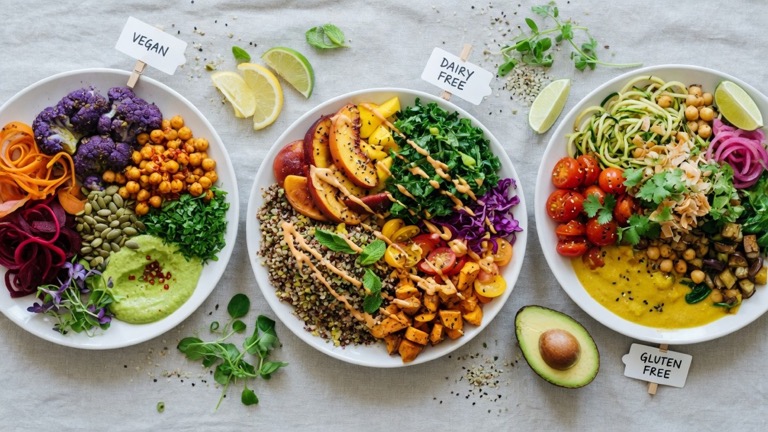
- Focus on Whole Foods: Fill your plate with fresh fruits, vegetables, lean proteins (chicken, fish, legumes), healthy fats (avocado, nuts, seeds), and naturally gluten-free grains like quinoa, brown rice, and oats (certified GF, of course). These foods are packed with those fertility-boosting nutrients we talked about.
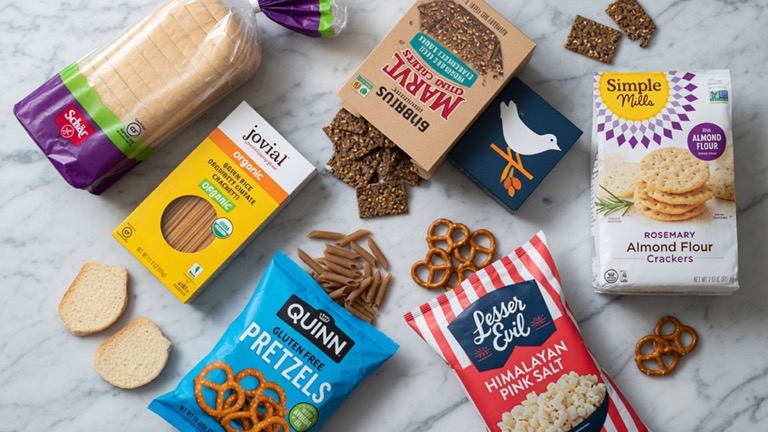
- Read Labels Carefully: Gluten hides in unexpected places. Get savvy about checking ingredients lists for wheat, barley, rye, and malt.
- Prioritize Gut Health: Include fermented foods like sauerkraut and kimchi, and consider a good quality probiotic. A happy gut is a happy body.
- Talk to the Experts: Seriously, consult your doctor or a registered dietitian who specializes in fertility or gluten-free diets. They can help you create a personalized plan, ensure you’re not missing any vital nutrients, and monitor your progress.
Beyond Gluten: A Holistic Approach
Remember, a gluten-free diet is one powerful piece of a much larger puzzle. While it can make a significant difference for many, it works best when combined with other healthy lifestyle choices. Managing stress, getting enough sleep, regular moderate exercise, and avoiding environmental toxins all contribute to overall wellness and fertility. Think of it as creating the ultimate cozy, welcoming nest for your future family.
A Word of Encouragement
Your journey to parenthood is deeply personal. It can be filled with hope, anticipation, and sometimes, challenges. But please know, you are not alone. Taking proactive steps, like considering your diet, is a wonderful way to feel more in control and hopeful. By nurturing your body with nourishing, gluten-free foods, you are creating the best possible environment for new beginnings. It’s about feeling vibrant, strong, and ready for whatever comes next. You’ve got this.