Cholesterol Levels and Gluten-Free: A Healthy Heart Connection (2026)

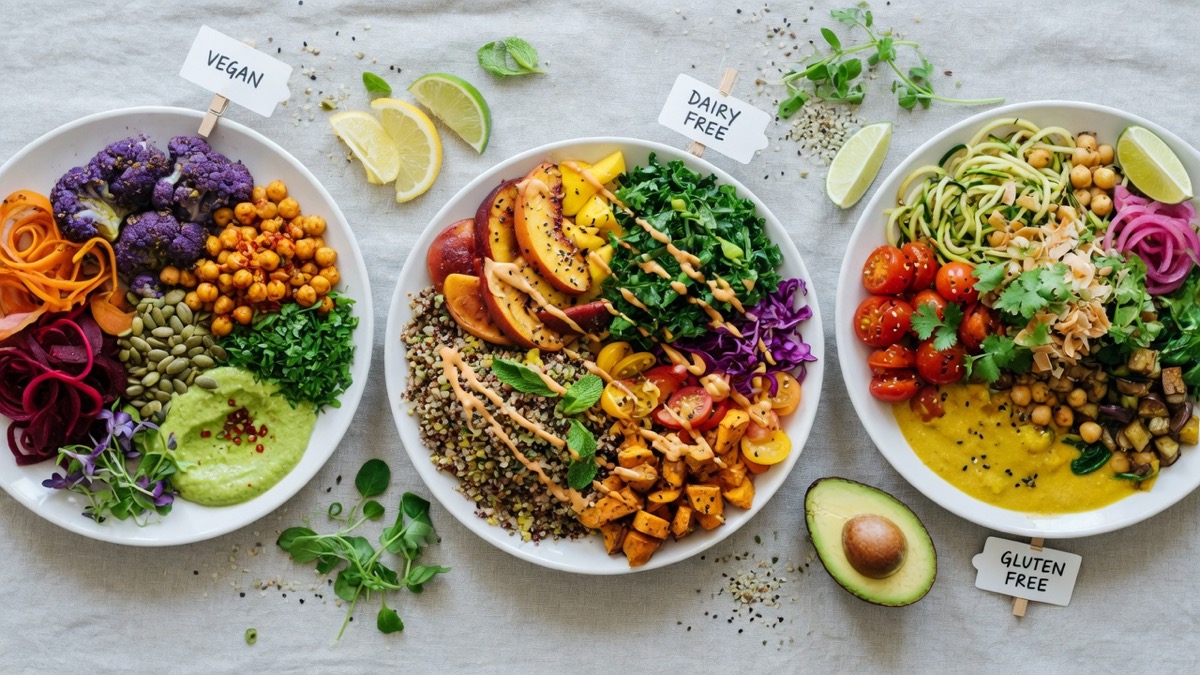
Ever wondered if your gluten-free journey is doing more than just calming your tummy? What if it’s also giving your heart a big, warm hug? It totally can! Today, we’re diving into something super important: your cholesterol levels and how your GF plate can be a powerful ally for a healthy heart. This isn’t just about avoiding gluten; it’s about embracing a lifestyle that truly supports your well-being. And trust me, it’s easier (and tastier!) than you think. This whole conversation fits right in with the Health Benefits of a Gluten-Free Diet we often chat about.
For many of us, going GF started as a quest for relief. Maybe you were struggling with constant gut grumbles or that confusing brain fog. We’ve certainly spent time talking about how going GF can bring relief from bloating and gas. But the ripple effect of ditching gluten, when done thoughtfully, can actually extend to your cardiovascular system. Yes, your heart! It’s an exciting connection, and one worth exploring.
So, What’s the Deal with Cholesterol, Anyway?
Alright, let’s talk cholesterol. It gets a bad rap sometimes, but it’s actually essential. Your body needs cholesterol to build healthy cells. It’s a waxy, fat-like substance found in your blood. But like too many cooks in the kitchen, too much of certain types can spell trouble.
You’ve probably heard of “good” and “bad” cholesterol. Here’s the simple breakdown:
- LDL Cholesterol (Low-Density Lipoprotein): Think of this as the delivery truck that can drop off cholesterol in your arteries. Too many deliveries, and things start to pile up, potentially leading to plaque buildup. This is often called “bad” cholesterol because high levels can increase your risk of heart disease.
- HDL Cholesterol (High-Density Lipoprotein): This is your body’s clean-up crew. HDL cholesterol picks up excess cholesterol and takes it back to the liver for removal from your body. Higher levels of HDL are generally good news for your heart. It helps keep your arteries clear.
- Triglycerides: These are another type of fat in your blood. High levels, especially when combined with high LDL and low HDL, can also increase your heart disease risk. Think of them as stored energy. Too much stored energy without being used? Not ideal.
Our goal, then, is usually to keep LDL and triglycerides in check, while boosting that amazing HDL. The great news? Your gluten-free plate can play a starring role in this mission.
The Gluten-Free and Heart Health Connection: Why It Works
When you swap out gluten-containing foods, especially the processed kind, you open the door to a whole world of heart-healthy possibilities. It’s not magic; it’s just smart eating. Here are a few ways a GF diet, done right, can be a heart hero:
1. Less Inflammation, Happier Arteries
Many individuals with celiac disease or non-celiac gluten sensitivity experience chronic inflammation when exposed to gluten. This isn’t just a tummy ache; systemic inflammation can affect your entire body, including your arteries. It’s like having a constant low-grade fire burning inside. Chronic inflammation can damage blood vessel walls, making them more susceptible to cholesterol buildup. By removing the gluten trigger, you’re essentially dousing that inflammatory fire. Less inflammation means happier, healthier arteries, and less chance for cholesterol to set up shop where it doesn’t belong.
2. A Bounty of Whole Foods
A well-planned GF diet naturally encourages more whole foods. Think about it: when you cut out typical bread, pasta, and baked goods, you often replace them with things like fresh fruits, vibrant vegetables, lean proteins, and naturally GF whole grains. These foods are packed with things your heart loves. They bring vitamins, minerals, and antioxidants to the table. These are like tiny shields protecting your cells and blood vessels.
3. Fiber Power: Your Cholesterol’s Worst Enemy (in a good way!)
Fiber is your heart’s best friend. Soluble fiber, found in many GF staples, works like a sponge in your digestive system. It binds to cholesterol and helps whisk it out of your body before it gets absorbed. That’s a powerful tool! Many commercially available GF processed foods can be surprisingly low in fiber, but a GF diet rich in naturally fibrous foods can easily counteract this. Think about all the glorious gluten-free whole grains like quinoa, brown rice, millet, and oats (certified GF, of course!). Plus, all those fruits, veggies, nuts, and seeds? Fiber superstars, every single one.
A study published in the Journal of Human Hypertension in 2020 highlighted how dietary fiber intake is inversely associated with blood pressure and cholesterol levels. This is exactly what we want!
4. Gut Health, Heart Health: The Unsung Connection
We’ve discussed a healthier gut microbiome before, and guess what? A happy gut often means a happy heart. Your gut bacteria play a role in how your body metabolizes cholesterol. A diverse, thriving gut microbiome (which a whole-foods-focused GF diet can help create) can produce beneficial compounds. These compounds might even help reduce systemic inflammation and positively influence cholesterol levels. It’s all connected, like a beautifully choreographed dance!
5. Better Weight Management
Going GF can often lead to more mindful eating choices. Many people naturally reduce their intake of calorie-dense, processed foods. This can result in healthy weight loss or better weight maintenance. And carrying less excess weight is a known factor in improving cholesterol levels and reducing the risk of heart disease. It’s a win-win!
The Flip Side: When GF Goes Wrong for Your Heart
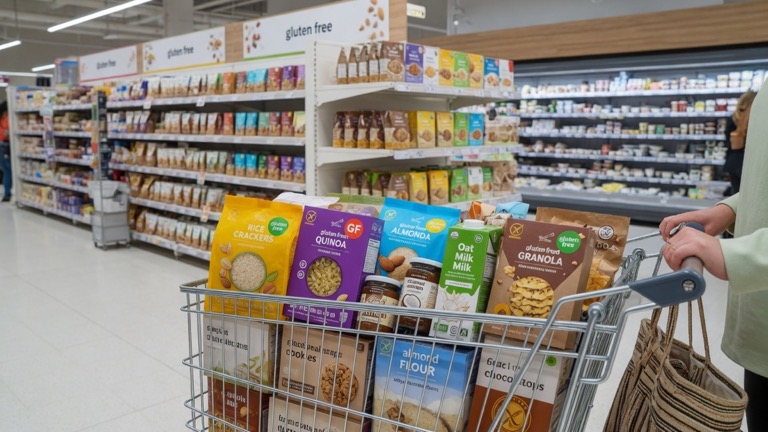
Now, let’s be real. Just because something is “gluten-free” doesn’t automatically make it a health food. This is super important. If your GF diet mainly consists of highly processed GF cookies, crackers, cakes, and frozen meals, you might actually be doing your heart a disservice. Many GF processed products are:
- High in refined sugars.
- Loaded with unhealthy fats (like hydrogenated oils).
- Low in fiber and essential nutrients.
- Packed with empty calories.
These kinds of foods can absolutely contribute to higher LDL cholesterol, elevated triglycerides, and lower HDL levels. They can also lead to weight gain. It’s not about the absence of gluten here; it’s about the presence of questionable ingredients. Think of it like swapping one junk food for another, just with a different label. That’s not the goal of joyful, confident GF eating!
Making Your GF Diet a Heart-Healthy Champion
So, how do we make sure our GF diet truly supports a healthy heart and optimal cholesterol? It’s all about focusing on quality and balance. Here are my top tips:
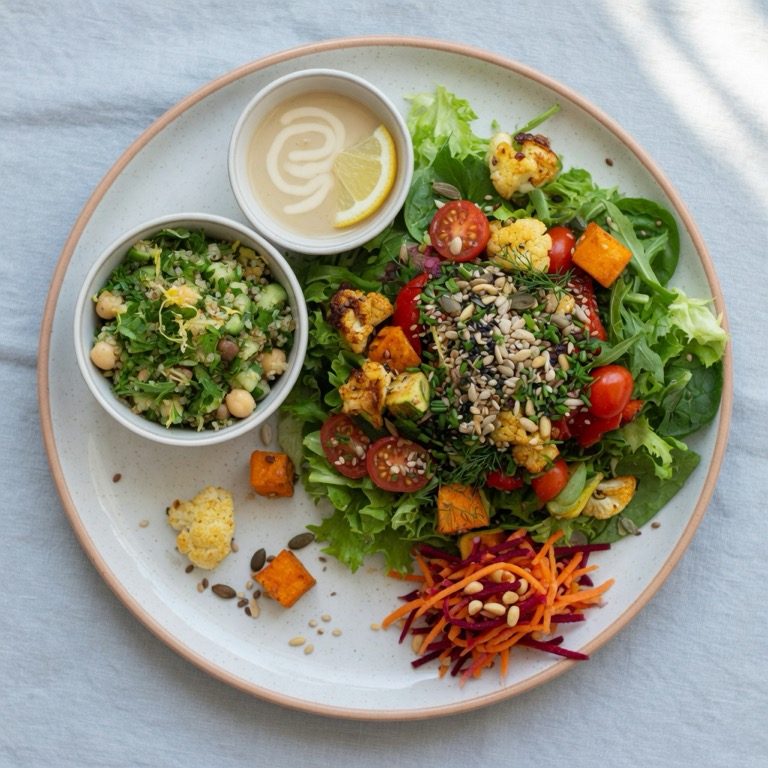
1. Prioritize Naturally Gluten-Free Whole Foods
This is your golden rule. Build your plate around:
- Fruits and Vegetables: Eat the rainbow! Berries, apples, leafy greens, broccoli, carrots, bell peppers. They’re full of fiber, antioxidants, and vitamins.
- Lean Proteins: Chicken, turkey, fish (especially fatty fish like salmon and mackerel, rich in omega-3s), beans, lentils, tofu. These are satisfying and help keep you full without adding unhealthy fats.
- Healthy Fats: Avocados, nuts (almonds, walnuts), seeds (chia, flax, hemp), and olive oil. These healthy fats can actually help improve your cholesterol profile, raising HDL and lowering LDL.
- Gluten-Free Whole Grains: Quinoa, brown rice, wild rice, millet, certified GF oats, buckwheat. These are fantastic sources of fiber and complex carbohydrates.
2. Be Smart About Processed GF Products
When you do buy packaged GF items, be a label sleuth! Check for:
- Fiber Content: Look for products with at least 3-5 grams of fiber per serving.
- Added Sugars: Less is always more. Sugar often hides under many names (high-fructose corn syrup, dextrose, cane syrup).
- Healthy Fats: Choose products made with olive oil, avocado oil, or other beneficial fats, not highly processed vegetable oils or trans fats.
- Whole Grain Flours: Opt for items made with brown rice flour, sorghum flour, or oat flour instead of just refined starches.
A good rule of thumb? If you can’t pronounce half the ingredients, maybe skip it. Your heart will thank you.
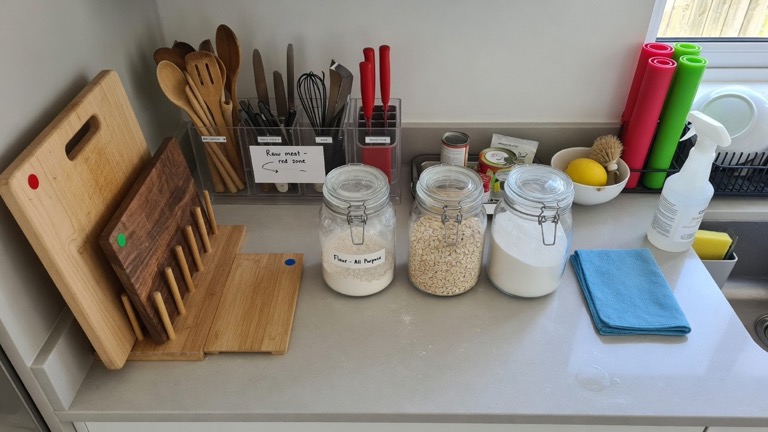
3. Get Cooking at Home
When you cook your own meals, you have complete control over the ingredients. You can reduce sodium, unhealthy fats, and added sugars. Plus, cooking can be a really fun, creative way to explore new GF recipes!
The American Heart Association often champions diets rich in plants, whole grains, and healthy fats, much like the Mediterranean diet. Guess what? A GF version of this is incredibly delicious and heart-protective.
4. Stay Hydrated and Move Your Body
Drinking plenty of water is essential for overall health, and regular physical activity is a non-negotiable for a healthy heart and good cholesterol levels. Even a brisk walk for 30 minutes most days of the week makes a huge difference. These habits work hand-in-hand with your diet to create a powerhouse of health.
Your Heart Deserves the Best
The journey to a gluten-free life doesn’t have to be restrictive or confusing. It’s an incredible opportunity to truly nourish your body, from your gut to your heart. By making smart, whole-food choices, you’re not just avoiding gluten; you’re building a foundation for vibrant, long-term health. You’re giving your heart the best chance to beat strong and happy for years to come.
So, keep those naturally GF whole foods coming. Embrace those colorful plates. And know that with every delicious, gluten-free meal, you’re doing something truly amazing for your cholesterol levels and your precious heart. It’s a joyful, empowering path, and you’re already rocking it!