Sleep Quality Improvement: The Gluten-Free Link (2026)


Ever find yourself staring at the ceiling at 3 AM? Tossing and turning, playing a mental highlight reel of your day, wishing for the sweet oblivion of sleep? You’re not alone. So many of us struggle with getting truly restful, deep sleep. We try the usual tricks: warm milk, cutting screen time, fancy pillows.
But what if I told you that your plate, specifically whether it’s piled high with gluten-containing foods, might be a surprising culprit in your nighttime woes? It’s true. The connection between what we eat and how we sleep runs deeper than you might think, especially when it comes to gluten. Eating gluten-free isn’t just about avoiding a tummy ache or a fuzzy brain (though it helps with that too, as we talk about in Reducing Brain Fog: Clearer Thinking with a Gluten-Free Diet). It’s a foundational step towards overall wellness, touching everything from your gut to your brain, and yes, right into your dreams. For a broader look at the perks, check out our guide on the Health Benefits of a Gluten-Free Diet.
Let’s pull back the curtain on this sleepy mystery. We’re going to dive into how going GF could be your ticket to dreamland, no sheep-counting required.
Gluten’s Sleepless Side Effects: A Nighttime Nuisance
Think of your body as a finely tuned orchestra. When one section is out of tune, the whole performance suffers. For many of us, gluten can be that rogue instrument, creating discord throughout the system, and that discord often plays out under the moon.
Inflammation: The Unseen Party Crasher
When you’re sensitive to gluten, eating it can trigger an inflammatory response. It’s like your body’s alarm system going off. This isn’t just a minor annoyance. Chronic inflammation is a significant stressor. It puts your body in a low-grade state of alert, making it tough to relax and drift off. Imagine trying to sleep with a tiny alarm bell ringing constantly in the background. Not exactly conducive to peaceful slumber, right?
The Gut-Brain Express: Derailing Your Zzzs
Your gut and your brain are constantly chatting. It’s called the gut-brain axis. And guess what? A happy gut often means a happy, sleepy brain. Gluten can mess with the delicate balance of your gut microbiome, creating an imbalance of bacteria (dysbiosis). This can lead to a leaky gut, where undigested food particles and toxins slip into your bloodstream. Your body sees these as invaders. Cue more inflammation. Plus, your gut is where much of your serotonin is produced, a precursor to melatonin. Melatonin is your body’s “sleep hormone.” If your gut isn’t working right, it can throw off your melatonin production. That’s a direct route to restless nights, and a major reason why we explore the The Gut-Brain Connection: Gluten-Free for Better Mood and Mental Clarity.
Nutrient Sabotage: Missing Sleep’s Building Blocks
A gut damaged by gluten (especially in celiac disease or severe gluten sensitivity) struggles to absorb nutrients properly. We’re talking about essential vitamins and minerals crucial for sleep. Think magnesium, zinc, B vitamins, and even iron. These aren’t just names on a supplement bottle. They are the chemical keys that unlock relaxation, energy production, and, yes, healthy sleep cycles. If your gut is like a sieve instead of a sponge, you’re missing out on these vital building blocks for a good night’s rest.
Blood Sugar Rollercoaster
Many traditional gluten-containing foods, like white bread and pasta, are refined carbohydrates. They spike your blood sugar quickly, followed by a crash. This rollercoaster ride isn’t great for your energy levels during the day, and it’s even worse for sleep. A sudden drop in blood sugar during the night can wake you up. Your body thinks it’s starving and releases stress hormones like cortisol to bring your sugar levels back up. Not exactly the lullaby you were hoping for.
The GF Advantage: Your Ticket to Dreamland
Okay, so gluten can be a troublemaker. But here’s the good news: removing it often paves the way for a smoother, more restorative sleep experience. It’s like removing the noisy neighbor who kept you up all night.
Calm Comes First: Less Inflammation, More Peace
When you ditch gluten, especially if you’re sensitive, your body’s inflammatory response often quiets down. That persistent, low-grade internal alarm fades. This shift allows your body to relax more deeply. A calmer internal environment means a calmer mind, making it easier to fall asleep and stay asleep. Your body isn’t fighting an internal battle anymore, so it can focus on rest and repair.
Happy Gut, Happy Sleep: The Microbiome Makeover
Embracing a whole-food, gluten-free diet supports a healthier, more diverse gut microbiome. A balanced gut is better at producing those sleep-friendly neurotransmitters, like serotonin and GABA (gamma-aminobutyric acid), which help calm the nervous system. With a thriving gut, your melatonin production gets back on track. It’s a natural domino effect: good gut health leads to better brain health, which leads to better sleep. Plus, a healthier gut means fewer digestive disturbances like bloating or gas that can keep you awake.
Nutrient Power-Up: Fueling Your Sleep Cycle
As your gut heals on a gluten-free diet, its ability to absorb nutrients improves dramatically. This means you’re actually getting the magnesium, zinc, B vitamins, and other essential compounds your body needs to properly regulate sleep. It’s like finally giving your body the right keys to start the engine, instead of fumbling in the dark. Better absorption translates directly into your body having the tools to wind down, relax, and stay in deep sleep phases.
Stable Energy, Stable Sleep
By focusing on whole, unprocessed gluten-free foods, you naturally reduce the blood sugar spikes and crashes common with refined gluten products. Think stable energy throughout the day, and more importantly, stable blood sugar levels through the night. This stability means fewer midnight wake-up calls from a startled body trying to correct a sugar imbalance. You’re less likely to experience those cortisol surges that yank you out of slumber, leaving you feeling wired and tired.
Eating Your Way to Zzzs: GF Food Choices
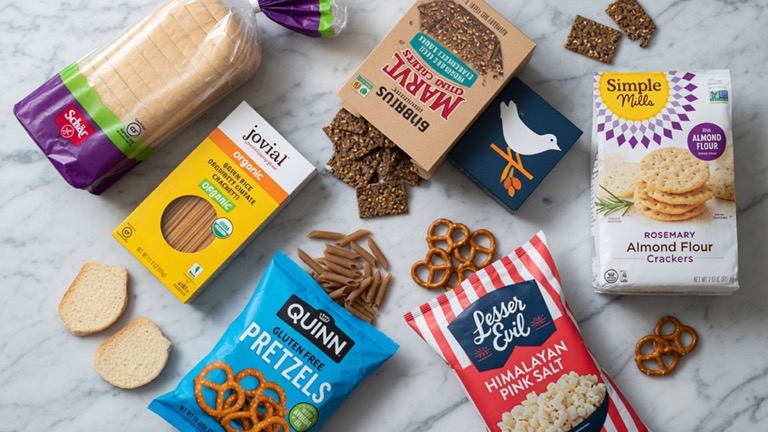
Going gluten-free isn’t about restriction; it’s about abundance and making smarter choices. Here are some sleep-supporting GF stars to welcome onto your plate:
- Magnesium-Rich Foods: This mineral is a natural muscle relaxant and helps calm the nervous system. Think leafy greens like spinach and kale, nuts (almonds, cashews), seeds (pumpkin, sunflower), and dark chocolate (yes!).
- Tryptophan Sources: This amino acid is a precursor to serotonin and melatonin. Find it in turkey, chicken, eggs, seeds (like chia and flax), and some nuts. Combine these with a complex carb to help tryptophan cross the blood-brain barrier.
- Complex GF Carbohydrates: Sweet potatoes, quinoa, brown rice, and gluten-free oats. These provide a steady release of energy and help signal your brain that it’s time to rest. They also assist in tryptophan uptake.
- Healthy Fats: Avocados, olive oil, and fatty fish (like salmon) contain omega-3s, which are essential for brain health and can help regulate sleep cycles.
- Probiotic Foods: Support that happy gut with fermented foods like sauerkraut, kimchi, and gluten-free yogurt or kefir.
What to minimize, especially before bed:
- Hidden Gluten: Always check labels. Even seemingly innocent foods can contain gluten.
- Sugary Snacks: They mess with blood sugar.
- Caffeine: Obvious, but worth repeating, especially later in the day.
- Alcohol: While it might make you drowsy initially, it disrupts sleep quality later in the night.
Beyond the Plate: Holistic Sleep Habits
While a gluten-free diet is a powerful ally, remember that sleep is a multi-faceted endeavor. Think of your GF plate as the foundation, and these habits as the beautiful, sturdy walls of your sleep sanctuary:
- Stick to a Schedule: Go to bed and wake up around the same time every day, even on weekends. Consistency is key.
- Create a Sleep Haven: Your bedroom should be dark, cool, and quiet. Think cave-like comfort.
- Wind Down Ritual: Give your brain a signal that it’s time to switch off. This could be reading a physical book, a warm bath, or gentle stretching.
- Move Your Body: Regular physical activity improves sleep quality. Just try to finish intense workouts a few hours before bedtime. This also links to how an active lifestyle can be supported by a GF diet, something we explore in Improving Athletic Performance: The Gluten-Free Advantage.
- Manage Stress: Stress and worry are sleep killers. Find what works for you: meditation, deep breathing, journaling.
FAQs: Your Sleepy Questions Answered
Is going GF a magic bullet for sleep?
Not a magic bullet, but a very powerful tool. If gluten is indeed contributing to inflammation or gut issues, removing it can dramatically improve your sleep. However, it’s part of a bigger picture of healthy habits.
Do I need special GF “sleep foods”?
Not necessarily. Focus on a balanced, whole-food gluten-free diet rich in vegetables, fruits, lean proteins, and healthy fats. The foods listed above are excellent, but simply eating clean GF meals often does the trick.
How long until I see results?
Everyone’s body is different. Some people notice improvements within weeks, while for others, it might take a few months as their gut heals and their body rebalances. Patience and consistency are your best friends here.
Sweet Dreams Ahead!
The journey to better sleep often begins with understanding what truly nourishes your body, and sometimes, what silently harms it. For many, gluten is that hidden disruptor, creating internal chaos that prevents truly restful nights. By embracing a thoughtful, delicious gluten-free lifestyle, you’re not just avoiding symptoms; you’re building a foundation for deep, restorative sleep. Imagine waking up feeling truly refreshed, energized, and ready to take on the day. That’s the power of choosing well, consistently.
So, here’s to ditching the tossing and turning. Here’s to a happy gut, a calm mind, and the sweetest GF dreams you can imagine!
Sources: