Understanding Leaky Gut: How Gluten-Free Can Heal Your Intestines (2026)

Ever feel like your body is sending you mixed signals? Maybe you’ve dealt with bloating after meals, an inexplicable fatigue, skin issues, or even that fuzzy “brain fog” feeling. It’s frustrating, isn’t it? Like your internal systems are running on a wobbly wheel. Well, my friend, what if I told you many of these sneaky symptoms might just be whispering one important message: “Hey, your gut needs a little love!”
Specifically, we’re going to chat about something called “leaky gut.” Sounds a bit dramatic, right? But understanding it can be a game-changer for your health, especially when you consider how a gluten-free lifestyle can truly turn things around. Think of this as your friendly guide to getting your gut back in tip-top shape. This journey toward healing your gut is a big part of enjoying the wider Health Benefits of a Gluten-Free Diet, helping you feel your absolute best.
So, What Exactly Is “Leaky Gut”? (And Why Does It Matter?)
Alright, let’s get down to brass tacks. Imagine your intestinal lining as a super smart, highly selective screen door. Its job is crucial: letting all the good stuff (like vitamins, minerals, and healthy fats) from your food into your bloodstream, while keeping all the bad stuff (undigested food particles, toxins, harmful bacteria) safely out. It’s like having a very efficient bouncer at the coolest club in town, only letting VIPs in.
In a healthy gut, the cells lining your intestines are snugly packed together, forming tight junctions. These junctions are like tiny, super-secure clasps. They ensure nothing gets through that isn’t supposed to. But sometimes, these clasps loosen up. When those tight junctions become not-so-tight, bigger particles can sneak through the gaps and into your bloodstream. This is what we call increased intestinal permeability, or “leaky gut.”
Why does it matter? Because when these unwanted guests crash the party in your bloodstream, your immune system freaks out a little. It sees these particles as foreign invaders and mounts an attack. This leads to widespread inflammation, a key player in so many health woes. It’s a bit like a fire alarm going off constantly, even for small things. Eventually, your body gets tired.
The Culprit List: What Makes a Gut “Leaky”?
Many things can contribute to a leaky gut. Chronic stress is a big one. Certain medications (like NSAIDs), infections, too much sugar, or even imbalances in your gut bacteria can all play a role. But a major, often overlooked factor for many people is gluten.
Gluten: The Uninvited Guest
Gluten is a protein found in wheat, barley, and rye. For those with celiac disease, even a tiny crumb can trigger a severe autoimmune reaction, completely damaging the gut lining. But here’s the kicker: you don’t have to have celiac disease to have gluten cause issues for your gut. Many individuals experience gluten sensitivity, which can also contribute to a leaky gut.
How does it work? Gluten contains a protein called gliadin. When gliadin hits your digestive system, it can trigger the release of a compound called zonulin. Think of zonulin as the little wrench that loosens those tight junctions we talked about earlier. It tells those cellular clasps to relax, creating tiny gaps in your intestinal lining. This happens even in people without celiac disease. So, basically, gluten can temporarily (or chronically, with repeated exposure) open the floodgates.
Once those gaps are there, undigested gluten particles themselves, along with other dietary proteins and toxins, can slip into your bloodstream. Your immune system then kicks into high gear, sensing an intruder. This continuous immune response and inflammation can set the stage for a host of problems far beyond your digestive tract.
The Ripple Effect: What Happens When Your Gut Leaks?
When your gut is constantly leaking, and your immune system is always on high alert, you start to see a cascade of issues. It’s not just tummy troubles anymore. You might experience:
- Persistent Digestive Distress: Bloating, gas, cramps, diarrhea, or constipation become your unwelcome companions. Your digestion is simply out of whack.
- Widespread Inflammation: As your immune system battles those “invaders,” it creates systemic inflammation throughout your body. This can show up as joint pain, muscle aches, or general malaise. You can dive deeper into this topic by exploring Reducing Inflammation: How Gluten-Free Eating Supports Your Body.
- Skin Troubles: Our skin is often a mirror of our gut health. Acne, eczema, and other skin irritations can flare up when the gut is compromised. Many find relief by checking out Improving Skin Health: Gluten-Free Solutions for Eczema and Acne.
- Fatigue and Brain Fog: When your body is constantly fighting inflammation, it drains your energy reserves. Toxins escaping the gut can also impact brain function, leaving you feeling tired, foggy, and unable to concentrate.
- Nutrient Deficiencies: A damaged gut lining means you might not be absorbing nutrients as effectively, even if you’re eating well. This can lead to deficiencies that affect everything from energy levels to bone health.
- Food Sensitivities: When undigested food particles repeatedly slip through a leaky gut, your body can start to develop sensitivities to those foods, creating a vicious cycle.
It’s a pretty heavy list, I know. But here’s the good news: you have incredible power to change this. And going gluten-free is often the first, most impactful step.
How Going Gluten-Free Can Be Your Gut’s Superpower
So, you’re probably wondering: if gluten is the main instigator for many, can simply removing it really make such a difference? The answer, for countless people, is a resounding YES! Think of it like this: if a leaky faucet is causing a flood, the very first thing you do is turn off the water, right?
When you remove gluten from your diet, you essentially stop irritating your gut lining. You give those delicate cells a much-needed break from the constant assault of zonulin and gliadin. This allows your intestinal wall to begin its incredible repair process. Those tight junctions can start to seal up again, becoming the secure bouncers they were always meant to be.
Here’s how a gluten-free lifestyle helps heal your intestines:
- Stops the Irritation: The most direct benefit. Without gluten constantly poking and prodding, your gut lining gets to rest and recover.
- Reduces Inflammation: Less irritation means less immune response, which directly translates to less inflammation throughout your body. Your internal fire alarm can finally calm down.
- Supports Gut Lining Repair: Your body is an amazing self-healer. Once the irritant is gone, the cells that line your intestines can regenerate and rebuild their integrity. This helps restore that crucial barrier function.
- Encourages a Healthier Microbiome: When your gut lining is healthier, it creates a much better environment for your beneficial gut bacteria to thrive. A balanced A Healthier Gut Microbiome: Gluten-Free’s Impact on Digestion is essential for overall health, digestion, and even mood.
- Improves Nutrient Absorption: As the gut heals and tightens, its ability to properly absorb essential vitamins and minerals dramatically improves. This means more energy, better immunity, and a body that works as it should.
It’s not just about avoiding gluten; it’s about embracing a whole new way of eating that naturally supports gut health. This means focusing on an abundance of whole, unprocessed foods. Think fresh fruits, vibrant vegetables, lean proteins, healthy fats, and naturally gluten-free grains like quinoa, rice, and oats (certified GF, of course!). These foods are packed with fiber, prebiotics, and vital nutrients that actively nourish your gut lining and feed your friendly gut bacteria.
Beyond Just GF: Practical Steps to Seal the Deal
While cutting out gluten is a powerful first step, healing a leaky gut is often a holistic journey. Here are some extra tips to really supercharge your healing:
- Focus on Whole Foods: Fill your plate with colorful fruits and veggies. These are loaded with antioxidants and fiber.
- Eat Fermented Foods: Sauerkraut, kimchi, and GF yogurt are packed with probiotics, which are beneficial bacteria that help balance your gut flora.
- Include Gut-Healing Nutrients: Bone broth, L-glutamine (an amino acid), and omega-3 fatty acids can all support the repair of your intestinal lining.
- Manage Stress: Your gut and brain are intimately connected. Practicing mindfulness, yoga, or simply enjoying quiet moments can make a huge difference.
- Prioritize Sleep: Adequate rest allows your body to repair and regenerate, including your gut. Aim for 7-9 hours of quality sleep each night.
- Hydrate Like a Pro: Water is essential for every bodily function, including digestion and detoxification. Sip throughout the day.
Remember, healing takes time. It’s not an overnight fix, but it’s an incredibly rewarding process. Stick with it, and you’ll start to notice significant shifts in how you feel.
Embrace the Deliciousness of a Healing Lifestyle
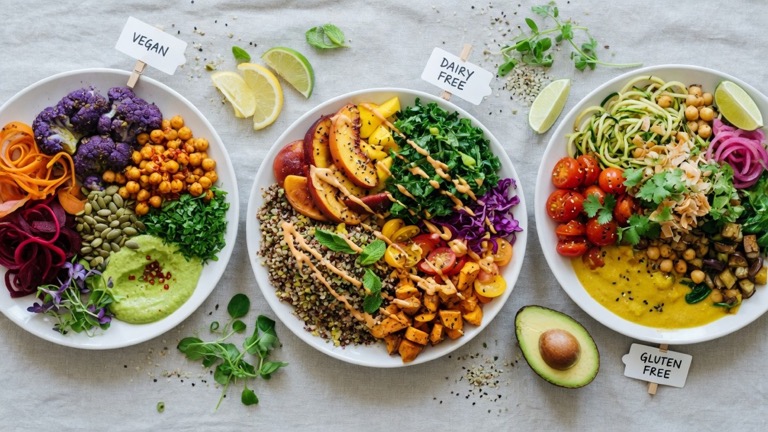
Shifting to a gluten-free lifestyle to heal your gut doesn’t mean deprivation. Far from it! It opens up a world of incredible, naturally gluten-free foods that taste amazing and make you feel even better. Think juicy grilled salmon with roasted sweet potatoes, vibrant salads bursting with fresh greens and berries, hearty lentil soups, or a comforting bowl of quinoa pasta with homemade marinara. The possibilities are endless, delicious, and incredibly nourishing.
So, if you’ve been experiencing those nagging symptoms, consider the power of understanding your gut. A leaky gut might be the silent culprit, but a gluten-free lifestyle, rich in whole foods and mindful practices, can be your superhero. It’s about more than just avoiding gluten; it’s about choosing health, feeling vibrant, and living a life where your gut (and you!) are truly thriving. Your body will thank you, and you’ll find that delicious, joyful eating is absolutely on the menu!
If you’re curious to learn more about the science behind intestinal permeability, you might find this article from Wikipedia on Intestinal Permeability helpful. Also, the National Institutes of Health has great resources on digestive health, such as this one on Celiac Disease, which touches upon gut damage. Dive in, get informed, and let’s get you feeling fantastic!