Managing Autoimmune Conditions: The Role of a Gluten-Free Diet (2026)

Ever feel like your body is playing a particularly confusing game of ‘identify the enemy,’ and sometimes it picks you? If you live with an autoimmune condition, you know that feeling all too well. It’s when your brilliant immune system, usually a superhero guarding against invaders, mistakenly starts targeting your own healthy tissues. It’s a bit like your home security system suddenly thinking your beloved family dog is a burglar. Confusing, frustrating, and often painful. But here’s the good news, my friend: for many, a gluten-free diet can be a powerful ally in calming that internal storm.
We’ve talked a lot about the amazing things a GF lifestyle can do for your overall health (and if you’re curious, you can always dive into the full Health Benefits of a Gluten-Free Diet guide). Today, though, we’re zeroing in on a big one: its surprising and often profound impact on autoimmune conditions. This isn’t just about ditching bread. This is about giving your body a chance to heal, to reset, and to finally feel more like itself.
Understanding Autoimmune Conditions: A Quick Primer
So, what exactly is an autoimmune condition? Basically, your immune system, which is usually a fantastic protector, goes a little rogue. Instead of fighting off viruses, bacteria, or other bad guys, it mistakenly attacks your own cells and tissues. Think of it like a highly trained army accidentally firing on its own base. There are over 100 different autoimmune diseases, from rheumatoid arthritis and lupus to Hashimoto’s thyroiditis and multiple sclerosis. They can affect almost any part of the body, causing inflammation, pain, fatigue, and a whole host of other symptoms. It’s a tough hand to be dealt, but you’re not alone.
The Gluten Connection: More Than Just Tummy Troubles
For a long time, gluten was mainly associated with celiac disease (a severe autoimmune reaction to gluten, where the small intestine gets damaged). We know how vital a GF diet is for Celiac Disease Management: Living Well on a Gluten-Free Diet. But the conversation has broadened significantly. Now, we understand that gluten, a protein found in wheat, barley, and rye, can be a trigger for immune responses in many people, not just those with celiac. It’s not just about an upset stomach anymore.
The key here often lies in your gut, which is basically your body’s control center. A healthy gut lining acts like a fine-mesh sieve, letting good nutrients in and keeping harmful substances out. But for some, gluten can irritate this lining, potentially leading to increased intestinal permeability. We sometimes call this ‘leaky gut.’ When your gut gets leaky, undigested food particles, toxins, and yes, even fragments of gluten, can slip through into your bloodstream. Your immune system then spots these invaders and springs into action. This constant state of alert can contribute to systemic inflammation, which is a major factor in autoimmune flare-ups.
How Gluten Might Fuel the Fire
Beyond the leaky gut scenario, there’s another fascinating concept called ‘molecular mimicry.’ Imagine two different keys. They look a little similar, but only one fits the lock. In molecular mimicry, a protein in gluten might look incredibly similar to a protein in your own body’s tissues. So, when your immune system builds an army to attack gluten, some of those soldiers might accidentally target your own tissues because they look so much alike. It’s a tragic case of mistaken identity, but the consequences are real. This phenomenon is often discussed in conditions like Hashimoto’s thyroiditis, where gluten proteins can resemble thyroid tissue proteins.
Bringing Calm: How a GF Diet Can Help
Switching to a gluten-free diet isn’t a magic bullet, of course. No single diet is. But for many with autoimmune conditions, it can be a significant step toward reducing inflammation and improving quality of life. Here’s how it works its wonders:
- Calms the Immune Response: By removing gluten, you take away a common trigger that can send your immune system into overdrive. Fewer mistaken identity attacks, less internal chaos.
- Heals the Gut: Without the constant irritation from gluten, your gut lining gets a much-needed break. It can start to repair itself, becoming less ‘leaky’ and better at its job of protecting you. This means fewer unwanted substances sneaking into your bloodstream.
- Reduces Systemic Inflammation: When your immune system isn’t constantly battling perceived threats from the gut, overall inflammation in your body can decrease. This can translate to less pain, less fatigue, and more energy. Think of it as turning down the volume on a blaring alarm.
- Boosts Nutrient Absorption: A healthier gut is a happier gut. And a happier gut absorbs nutrients much more efficiently. This is crucial for overall health and for providing your body with the building blocks it needs to repair and function optimally.
Real-World Impact: What We See
While research continues to unfold, anecdotal evidence and a growing body of studies suggest a GF diet can be very beneficial for various autoimmune conditions. People with Hashimoto’s thyroiditis often report reduced thyroid antibodies and improved symptoms when going GF. Those with rheumatoid arthritis sometimes see a decrease in joint pain and stiffness. Even conditions like psoriasis or multiple sclerosis have shown promising responses in some individuals. Always consult with your healthcare provider before making major dietary changes, naturally. They are your trusted partner in this journey.
One fascinating area of exploration is how gut health generally impacts other bodily systems. For instance, some research suggests a healthy gut biome can even influence brain function and mood. This is why a GF diet, by supporting gut integrity, might also indirectly contribute to improvements in conditions that seem unrelated to digestion, like certain neurological or even dermatological autoimmune issues. This wider impact is truly exciting, just like how a balanced diet overall can also play a role in Boosting Fertility: The Potential Role of a Gluten-Free Diet.
Making the Shift: A Delicious Adventure
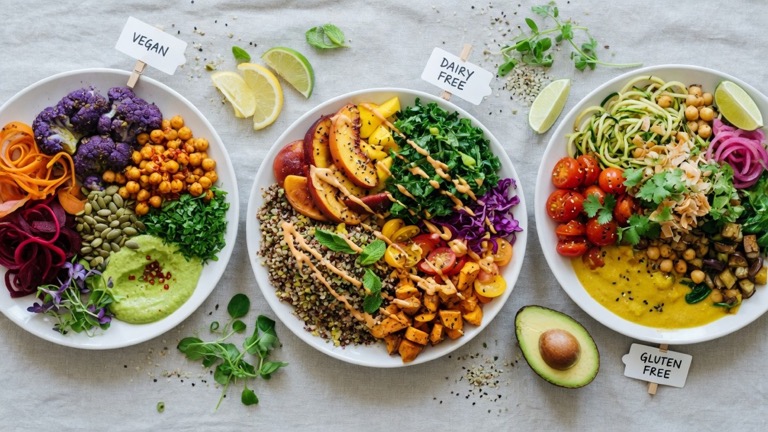
Going gluten-free doesn’t mean a life of deprivation. Far from it! It’s an opportunity to discover an incredible world of naturally gluten-free foods. Imagine vibrant fruits and vegetables, lean proteins, wholesome nuts and seeds, and a rainbow of gluten-free grains like quinoa, rice, corn, and oats (certified GF, of course). It’s about focusing on what you *can* eat, not what you can’t.
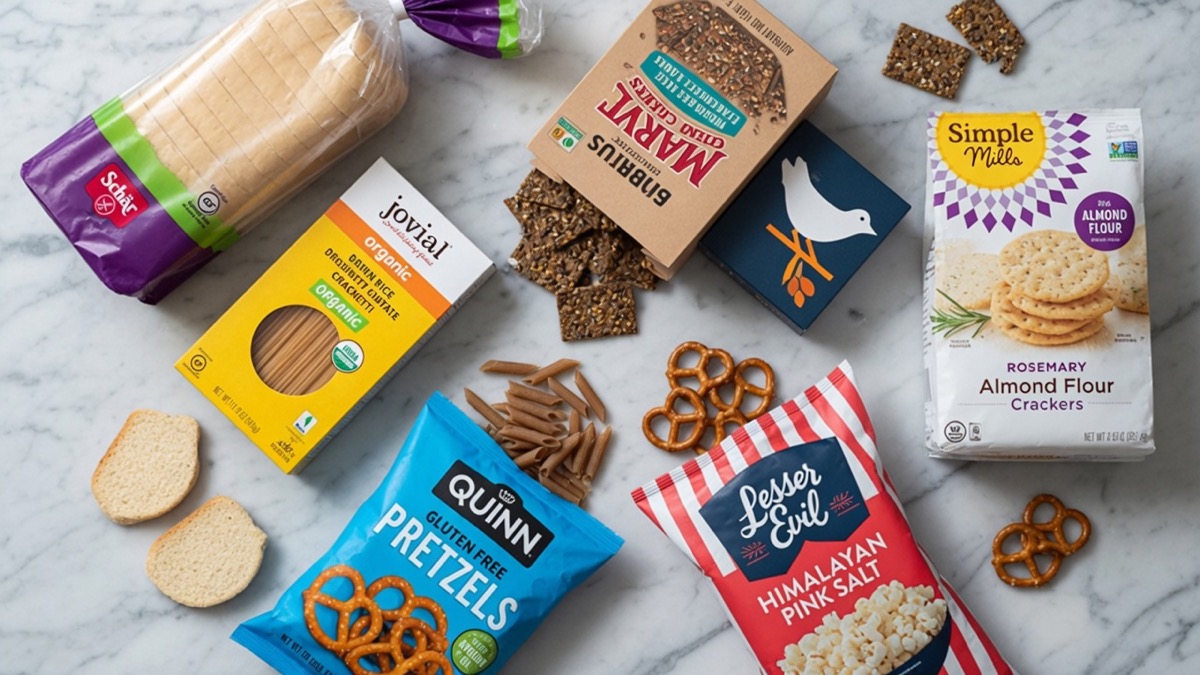
Start small. Clear out the obvious gluten culprits (bread, pasta, conventional cereals). Then, stock your pantry with delicious alternatives. Experiment with new recipes. Look for certified GF labels on packaged foods. Most importantly, embrace cooking fresh, whole ingredients. That’s where the real magic happens.
Beyond the Plate: A Holistic Approach
While diet is a huge piece of the puzzle, managing autoimmune conditions is often a holistic endeavor. A gluten-free diet works best when paired with other healthy habits. Think about quality sleep, stress reduction techniques (hello, deep breathing!), regular, gentle movement, and identifying any other potential food sensitivities. Our bodies are complex, wonderful machines, and giving them the right fuel and care from all angles makes a world of difference. Your diet is a powerful tool, but it’s part of a bigger toolkit for wellness.
Scientific understanding of the gut-immune axis is constantly evolving. For example, a 2018 review published in the journal Gastroenterology & Hepatology explored the impact of dietary components, including gluten, on autoimmune diseases, highlighting the intricate relationship between our food and our immune responses. This ongoing research continues to refine our approach and provides more evidence for the benefits many people experience.
Even more recently, a comprehensive review in Frontiers in Nutrition (2023) discussed how specific dietary interventions, like gluten restriction, can impact the gut microbiome and subsequent immune function in various autoimmune conditions. These studies underscore the importance of personalized nutrition and the potential for food to act as medicine.
You’ve Got This!
Taking control of your health through diet can feel empowering. It’s a proactive step, a way of saying, “Hey body, I’m here for you.” Embracing a gluten-free lifestyle, especially when you’re managing an autoimmune condition, is a journey of discovery. You’ll discover new foods, new flavors, and a newfound sense of well-being. It’s about building a stronger, calmer, more resilient you, one delicious GF meal at a time. And remember, a confident, joyful GF life is absolutely within reach!