Stocking Your Gluten-Free Pantry: Staples You Can’t Live Without (2026)

Okay, my friend, pull up a chair. Grab a cup of coffee (or a delightful herbal tea, if that’s your jam). We need to talk about your kitchen. Specifically, we need to talk about setting up your gluten-free pantry so it feels like a warm hug, not a terrifying, empty chasm.
When you first dive into the GF world, it’s easy to feel a little lost at sea, right? Like you’ve been handed a map with half the landmarks mysteriously erased. “What *can* I eat?” quickly becomes the overwhelming question. But trust me, that feeling fades. It gets replaced by curiosity, then confidence, and finally, pure culinary joy. This isn’t about what you *can’t* have; it’s about discovering a whole new universe of deliciousness waiting for you. And the first step to unlocking that universe? A well-stocked GF pantry. Think of it as your personal treasure chest, bursting with possibilities. We’re building a foundation here, something sturdy and delicious that will make your daily meals not just safe, but truly exciting. If you ever feel overwhelmed by the sheer volume of new choices, remember our Navigating Gluten-Free Shopping guide is always there to lend a hand.
The Foundation: Gluten-Free Flours & Baking Essentials
Let’s be honest, for many, the biggest “miss” in going GF is often bread, pasta, and baked goods. But darling, the world of GF flours is vast and wonderful! Forget what you think you know. We’re working with some culinary magic here.
- All-Purpose GF Flour Blend: This is your workhorse. Many brands offer a pre-mixed blend, often containing a mix of rice flour, tapioca starch, and potato starch. Look for one that explicitly states it’s “1:1” or “cup-for-cup” for easy substitution in recipes. It makes baking so much less intimidating.
- Rice Flour (White and Brown): These are GF staples. White rice flour is light and often used for delicate pastries. Brown rice flour adds a nuttier flavor and a touch more fiber, great for rustic breads or cookies.
- Almond Flour: Rich, moist, and packed with protein. It’s fantastic for cakes, cookies, and even as a breading. Just remember, it doesn’t behave like wheat flour, so don’t swap it 1:1 in all recipes without research.
- Tapioca Starch (or Tapioca Flour): This is your secret weapon for chewiness and crispiness. It helps mimic the elasticity of gluten, which is pretty clever! Use it in small amounts in baking, or to thicken sauces.
- Oat Flour (Certified GF): A truly lovely flour. It has a mild, slightly sweet flavor and lends a wonderful texture to muffins, pancakes, and quick breads. *Always* make sure it’s certified gluten-free. Oats themselves are naturally GF, but cross-contamination during processing is a real thing. No fun!
- Xanthan Gum: Okay, this might sound a bit “science-y,” but it’s crucial. Think of it as the glue that gluten usually provides. Just a tiny pinch (we’re talking 1/4 to 1 teaspoon per cup of flour, depending on the recipe) helps bind your GF baked goods together, preventing them from crumbling. It’s a natural gum, usually made from fermented sugar.
- Baking Powder & Baking Soda: These leavening agents are usually GF, but it never hurts to double-check labels, especially for baking powder (some cheaper brands might use wheat starch as a filler).
Grains & Pastas: Your Carb-Loading Superstars
Carbs are not the enemy, my friend. They are delicious energy sources! And the GF world has some incredible options.
- Quinoa: This little powerhouse is a complete protein, meaning it has all nine essential amino acids. It cooks quickly, makes a great base for salads, or a hearty side dish. It’s also super versatile for breakfast bowls or even “fried rice.”
- Rice (Brown, White, Wild): Obvious, I know, but vital. Brown rice offers more fiber and a nuttier taste. White rice is classic and mild. Wild rice adds fantastic texture and a unique flavor. Keep a good stock of all three. They’re pantry heroes.
- GF Pasta: Today’s GF pastas are truly fantastic. Most are made from corn, rice, quinoa, or a blend of legumes like lentils or chickpeas. Experiment! Find your favorite brand and type. They cook just like regular pasta. We’ve come a long way from the gummy, crumbly versions of yesteryear.
- Certified GF Oats (Rolled & Quick-Cooking): For breakfasts, baking, or even thickening. Again, certified GF is the key here. A warm bowl of GF oatmeal on a chilly morning? Pure comfort.
- Popcorn Kernels: A simple, whole-grain snack. Easy to make yourself, and much healthier than pre-packaged microwave versions that might contain questionable ingredients.
Sauces, Condiments & Flavor Boosters: The Spice of Life
This is where hidden gluten can lurk, so reading labels is your superpower. Seriously, embrace the label reading. It becomes second nature. And when you’re just starting out, our guide to Decoding Gluten-Free Labels: A Beginner’s Guide is your absolute best friend.
- Tamari (GF Soy Sauce): A must-have! Tamari is essentially soy sauce without the wheat. It delivers that rich, umami flavor we all love. Keep a big bottle handy for stir-fries, marinades, and dipping.
- Coconut Aminos: A fantastic soy-free alternative to tamari, with a slightly sweeter, milder flavor. If you’re avoiding soy, this is your go-to.
- Vinegars: White vinegar, apple cider vinegar, red wine vinegar, balsamic vinegar. Most vinegars are naturally GF, but always give the label a quick glance just in case of additives.
- Broths (Chicken, Vegetable, Beef): Essential for soups, stews, and adding flavor to rice or grains. Many brands are GF, but check for “hydrolyzed wheat protein” or other sneaky gluten sources.
- Spices & Herbs: Keep your spice rack full! Most pure spices and herbs are GF, but spice blends can sometimes contain anti-caking agents with gluten. Buy single-ingredient spices whenever possible.
- Tomato Paste/Crushed Tomatoes/Diced Tomatoes: For sauces, chilis, and hearty Italian dishes. Always pure and naturally GF.
- Mustard: Dijon, yellow, whole grain. Most are GF, but check flavored mustards carefully.
- Mayonnaise: Usually GF, but again, a quick label check is smart.
Healthy Fats & Oils: Kitchen Workhorses
Good quality fats are crucial for flavor and nutrition.
- Olive Oil: Your everyday cooking oil. Perfect for sautéing, dressing salads, and dipping.
- Coconut Oil: Great for baking (especially for a slightly tropical flavor) and high-heat cooking.
- Avocado Oil: A neutral-flavored oil with a high smoke point, ideal for roasting and frying.
Protein Power & Snacky Goodness
Keep your energy levels up and those hunger pangs at bay.
- Canned Beans & Lentils: Chickpeas, black beans, kidney beans, cannellini beans. Rinse them well, and you’ve got instant protein for salads, chilis, and quick meals.
- Nuts & Seeds: Almonds, walnuts, cashews, pumpkin seeds, chia seeds, flax seeds. Fantastic for snacking, baking, adding to oatmeal, or sprinkling over salads. They offer healthy fats, fiber, and protein.
- Nut Butters: Peanut butter, almond butter, cashew butter. Check labels for added ingredients, but most are simply nuts and salt.
- GF Crackers & Rice Cakes: For quick snacks or alongside cheese. There’s a huge variety out there now, so find your favorites!
Sweeteners: A Little Something Sweet
Because life needs a sprinkle of sweetness now and then!
- Honey: Natural, delicious, and always GF.
- Maple Syrup: Pure maple syrup (not pancake syrup, which often contains corn syrup and other additives) is wonderful for baking and topping.
- Granulated Sugar & Brown Sugar: Standard sugars are naturally GF.
Tips for a Super Savvy GF Pantry
Building this pantry isn’t just about collecting items; it’s about building habits.
- Read, Read, Read Those Labels: I can’t stress this enough. Even products you *think* are naturally GF can surprise you. Ingredient lists are your best friends.
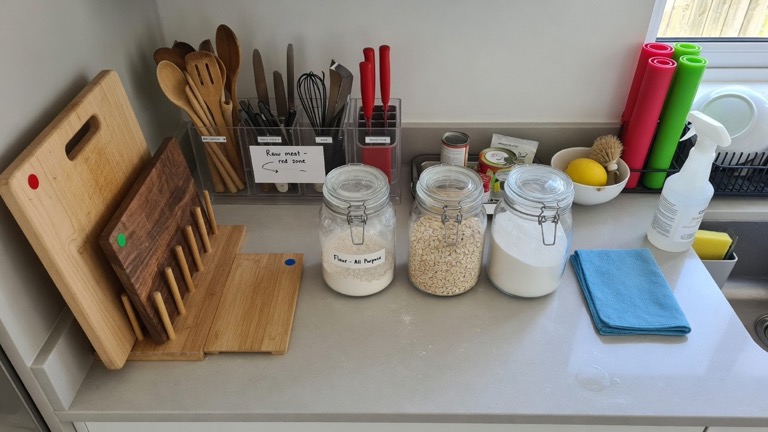
- Prevent Cross-Contamination: This is a big one, especially if you share a kitchen. Keep your GF flours separate from wheat flours. Use dedicated cutting boards, toasters, and utensils if possible. Even a tiny crumb can be an issue for some.
- Buy in Bulk (for staples): If you find GF flour or pasta you love, and you have the space, buying larger quantities can save you money in the long run.
- Experiment and Have Fun: Don’t be afraid to try new ingredients or adapt old recipes. The GF culinary world is full of creativity! Learn what different flours do. Discover new favorite grains. It’s an adventure.
- Understand Certifications: When you see a “Certified GF” label, that’s not just marketing fluff. It means the product has been tested to meet strict standards (typically less than 20 parts per million of gluten, as outlined by organizations like the Gluten Intolerance Group or the Celiac Disease Foundation). This offers an extra layer of peace of mind. Our post on Understanding GF Certifications: What Do They Mean? explains it all.
There you have it! A solid foundation for your gluten-free kitchen. Stocking your pantry is an act of self-care. It’s about setting yourself up for success, for delicious meals, and for feeling absolutely wonderful. This isn’t a restrictive way of eating; it’s an expansive one. So go forth, my friend, explore the aisles with confidence, and fill your kitchen with joy and flavor. You’ve got this!